A Day with the Romans and Iceni for Upper 2

September 16, 2024

It was a bright and sunny morning as Upper Two marched like legionaries to Norwich Castle for an exciting day with The Romans and Iceni.


We went upstairs to the auditorium where we met the characters we would be spending the day with. 

Iceni Essica woke her Roman friend, Marius, up to tell him about the rumours of rebellion. Marius told her not to worry, all would be well and that if there was a battle, the Romans would win. Essica didn’t know what to do. She had three choices: She had been collecting the tax on behalf of the Romans so she could choose to seek out protection from them; She could return to her tribe, the Iceni and ask them to protect her or she could do nothing and hope that the Iceni and the Romans could learn to get on with one another. Upper Two were tasked with helping her to find out! We were to spend the rest of the day with the Iceni and the Romans, getting to know them and gathering evidence to help us to decide. 

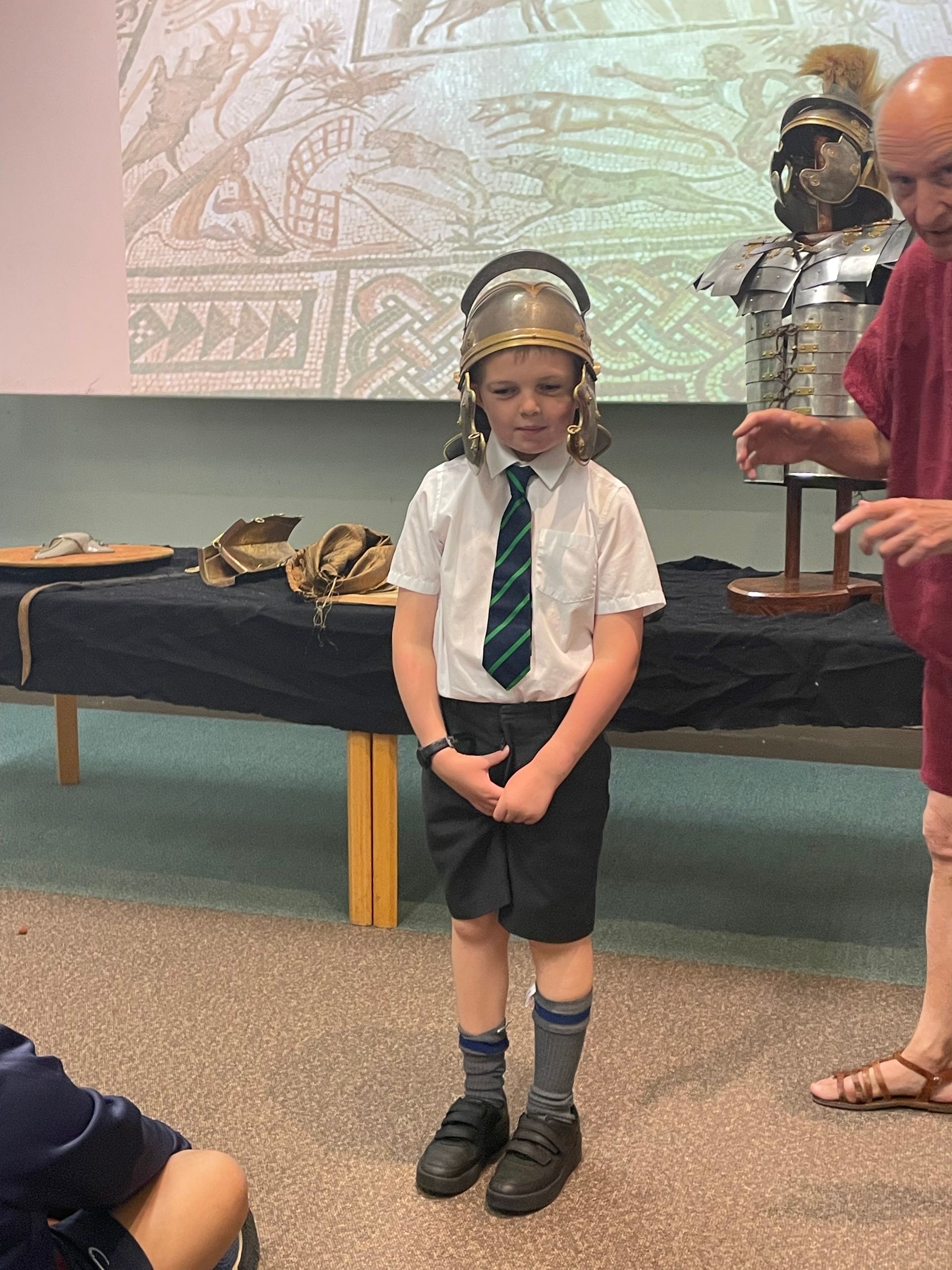
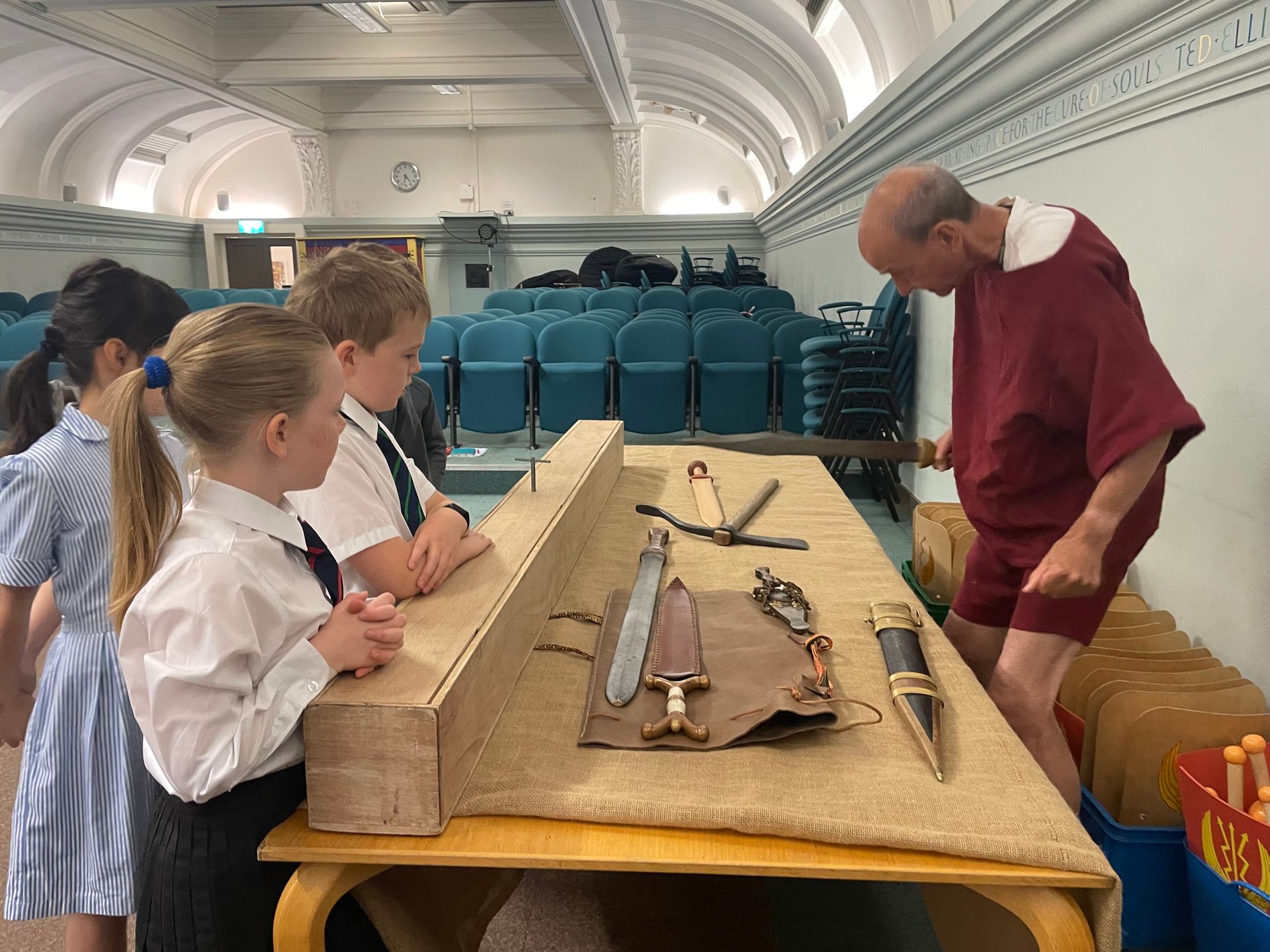
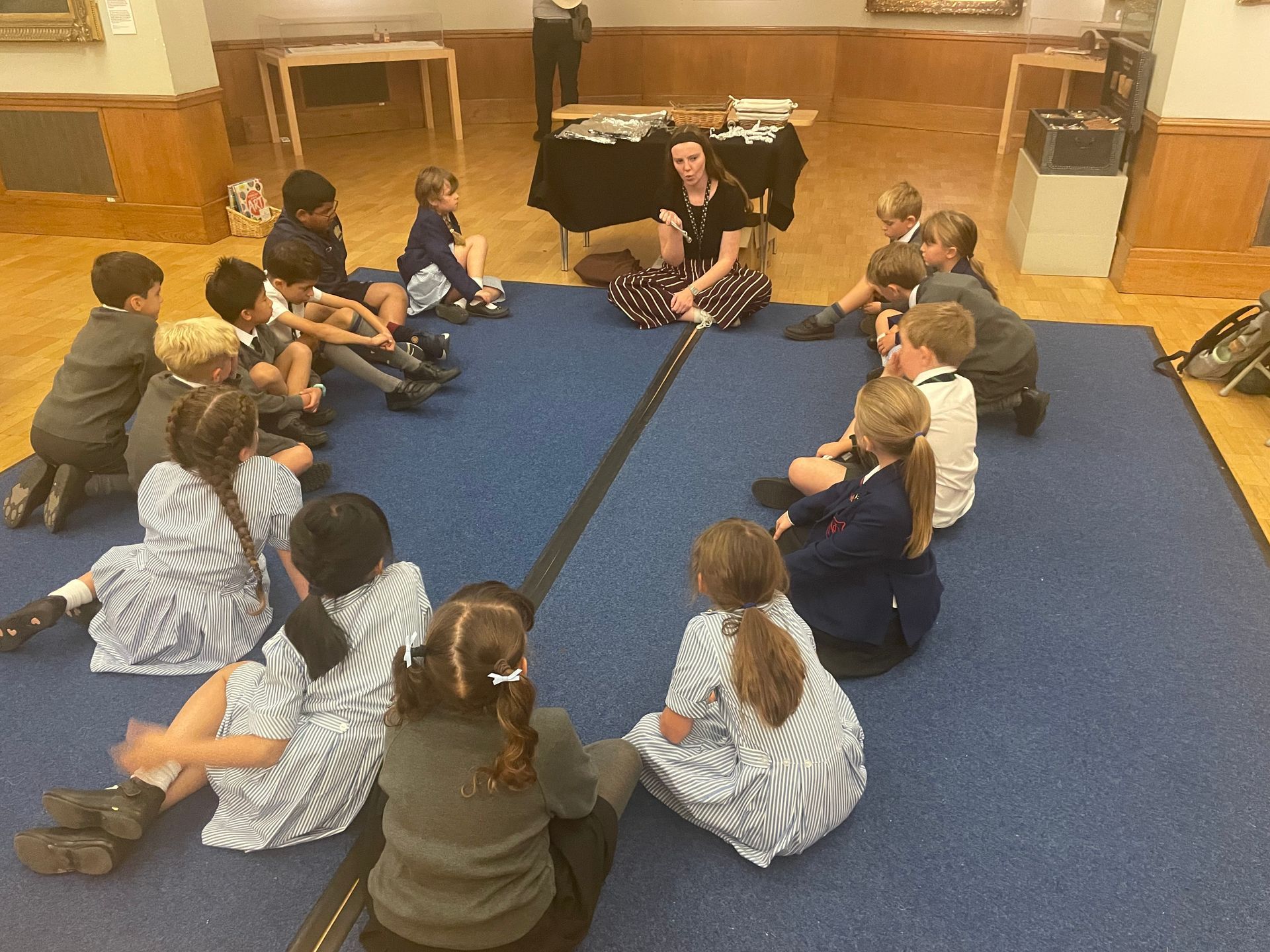
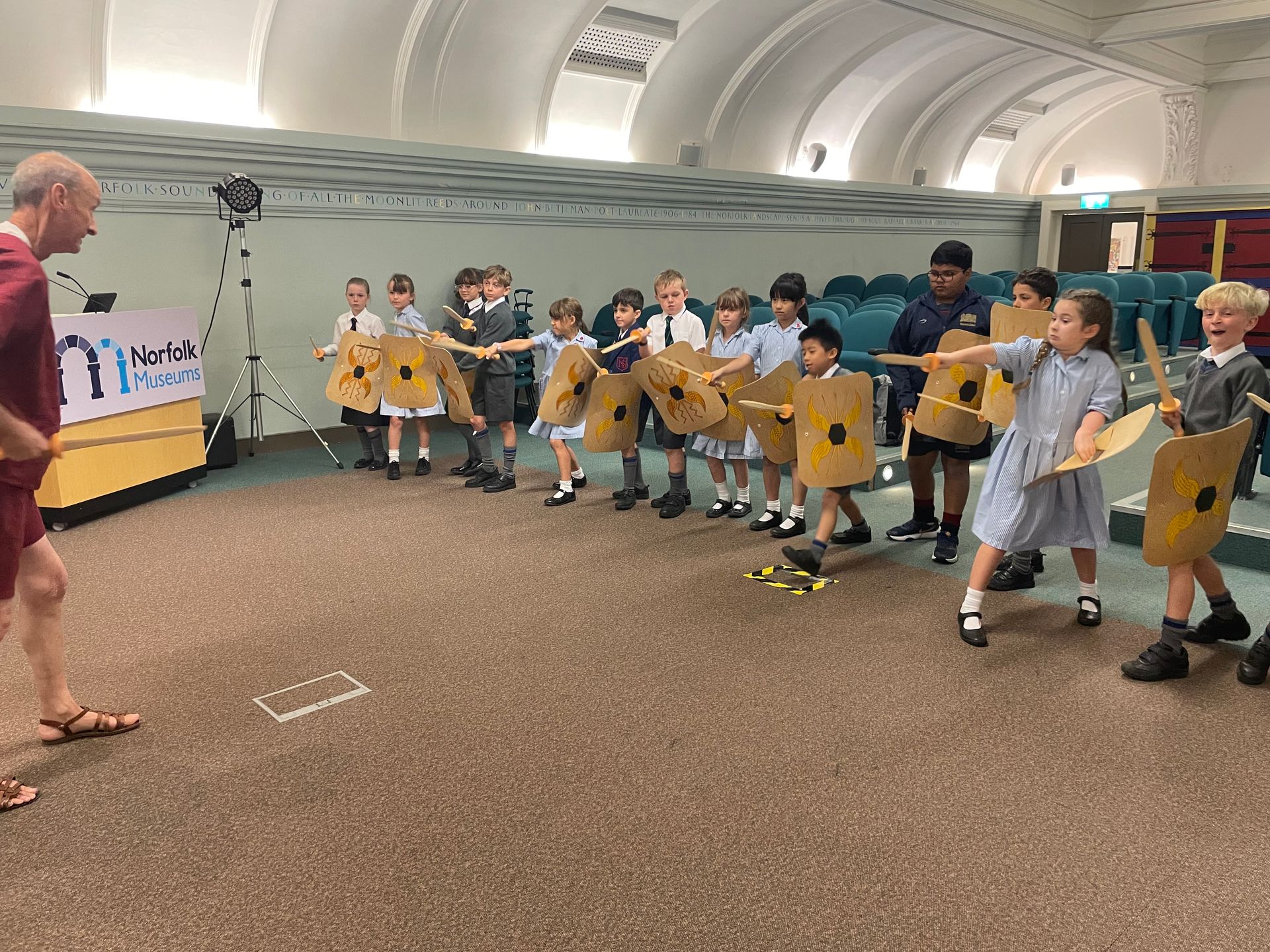
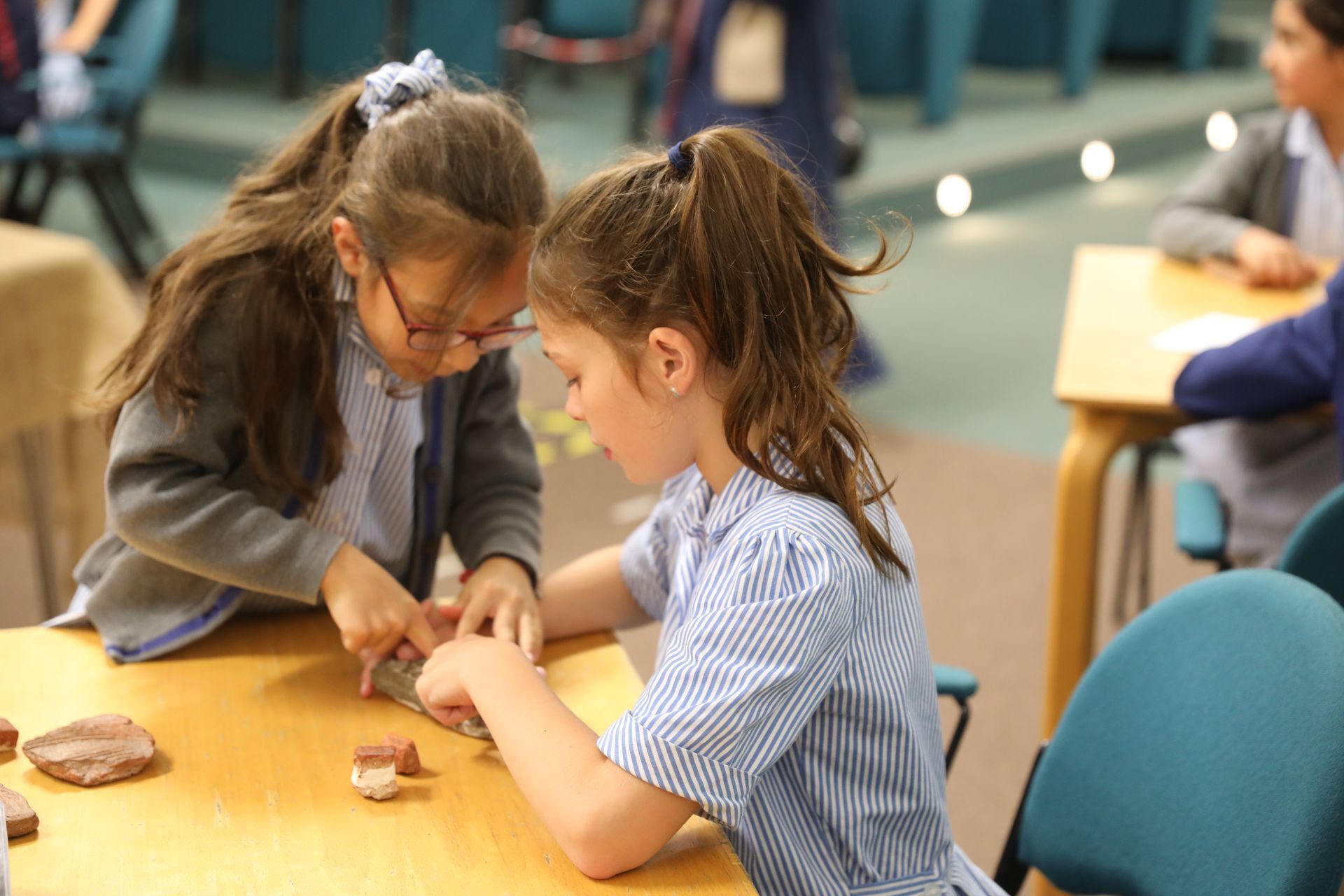
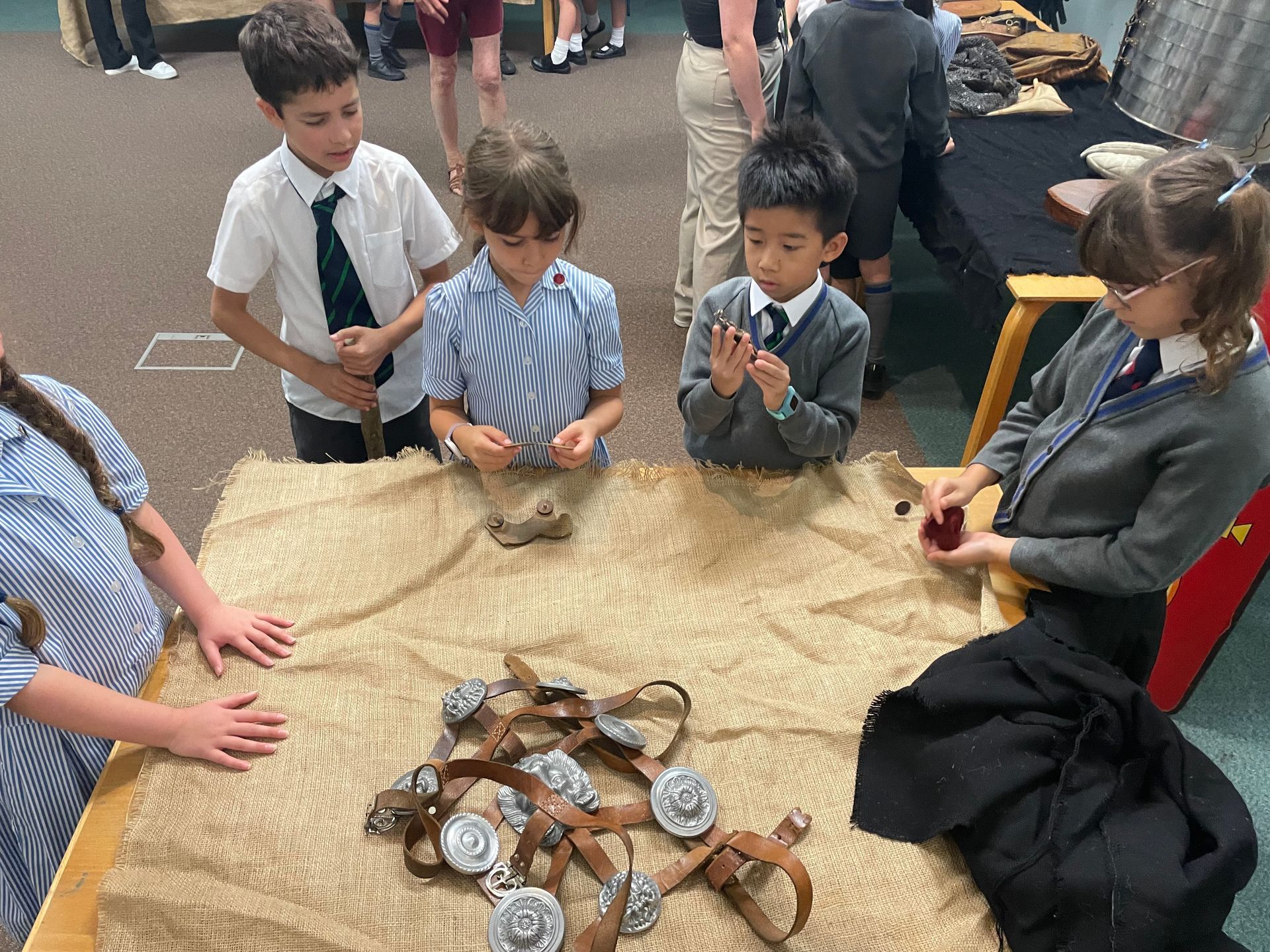
We split into two groups, one spending time with one of the museum’s curators, Sarina, and investigated the ways the Romans and the Celts lived; finding similarities between them. The second began training as a Roman legionary and learning about what it was like to be a centurion. Both sessions were incredibly fun and interactive. We loved looking for clues in the artefacts and preparing for battle. 


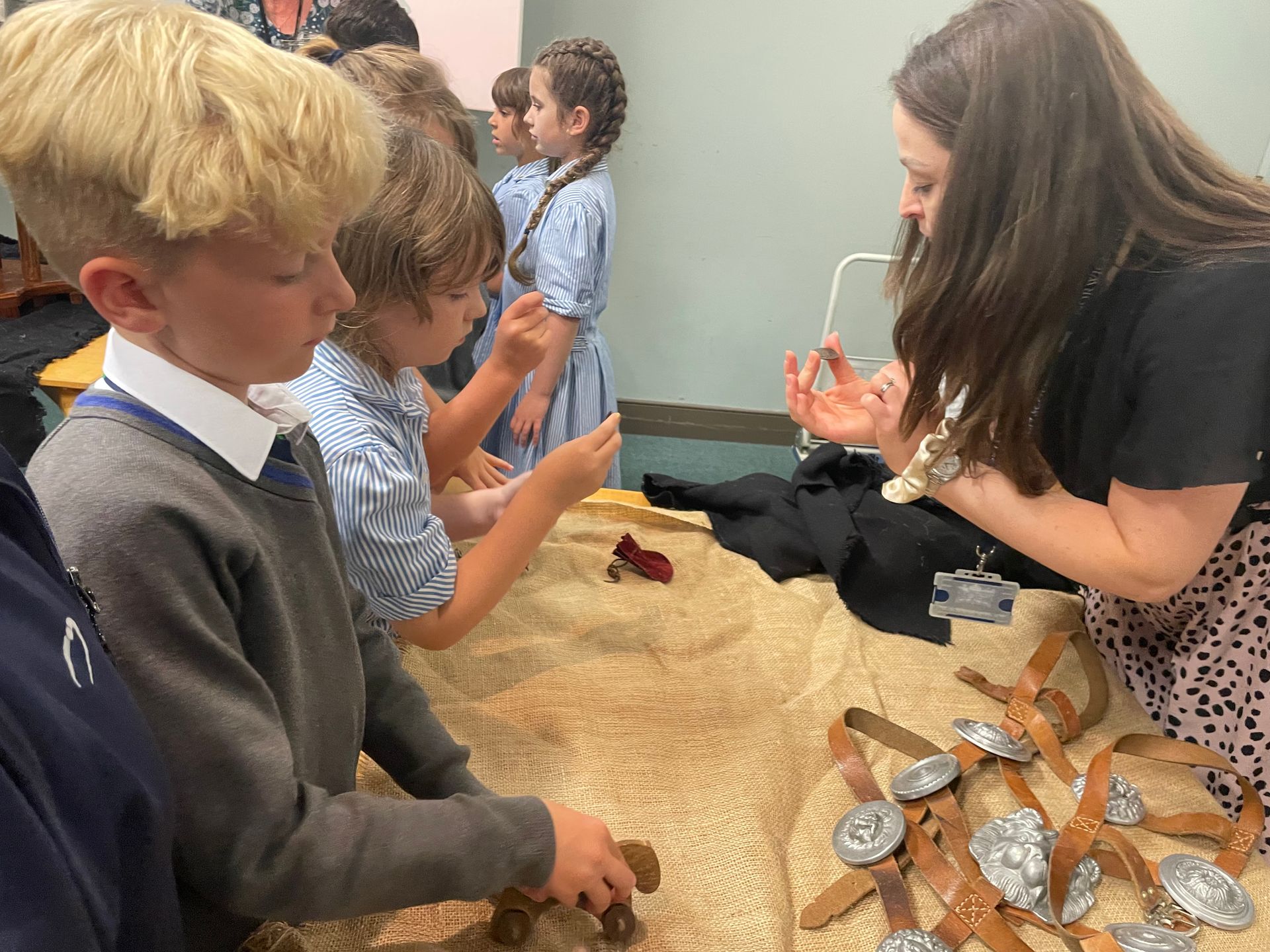
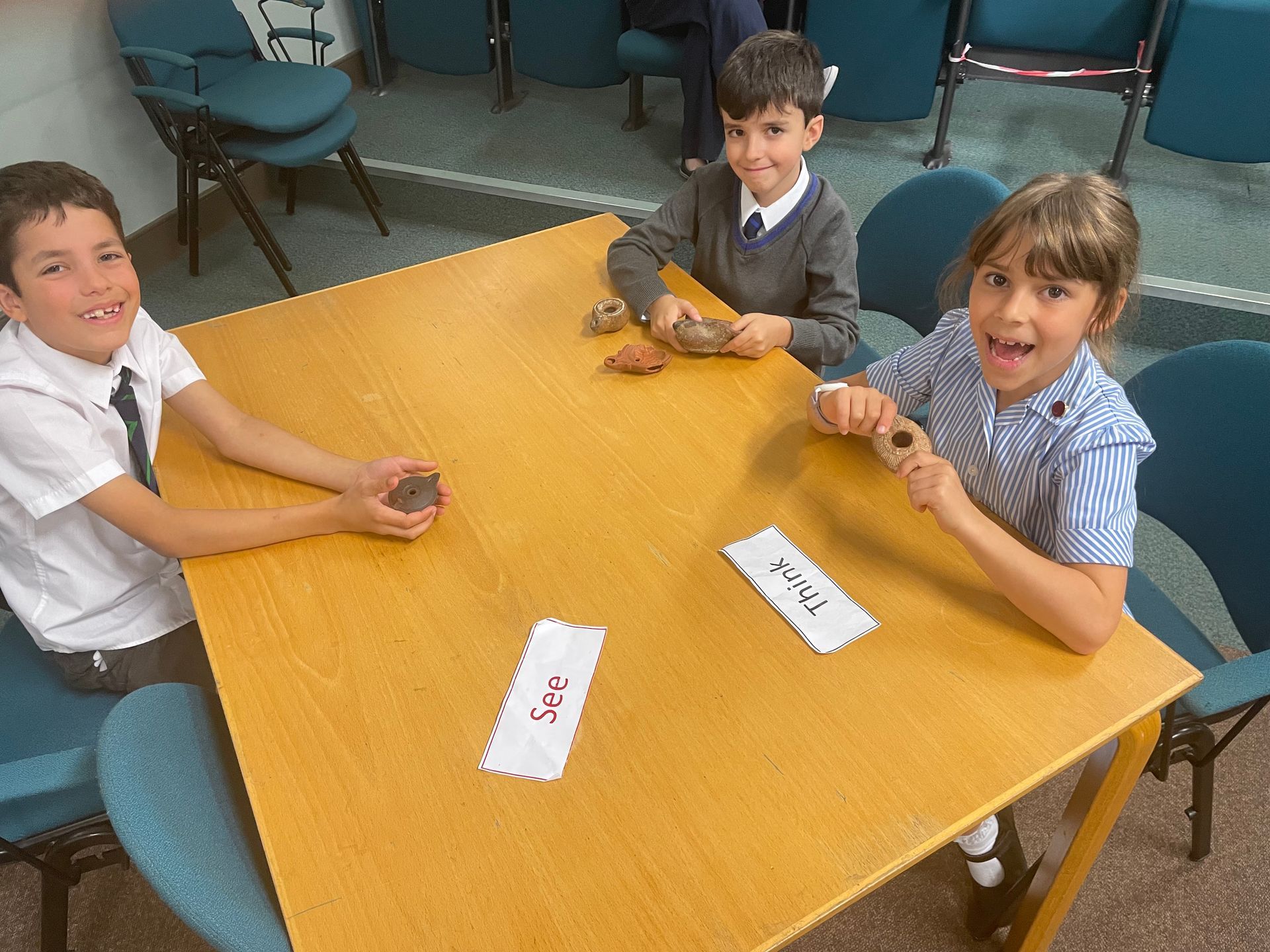
After a morning packed with discovery, the pupils enjoyed a well-earned lunch, with none of the pupils sure who they agreed with yet.  After lunch, we split again and one group began by spending some time with Essica, who shared some very interesting (and very ancient) artefacts with us. We loved learning about the oil lamps, the beautiful mosaics and very well-designed roof tiles. We could understand why the Romans felt as though they had provided a better way of life for the Celts. We swapped over and we spent some time with an archaeologist, learning about how the Celts made Torcs and why they were so important to them. We brought home our lovely new jewelry and found it interesting that the Celts buried their precious possessions ceremonially, almost like an offering to God. 


At the end of the day, we all gathered back together to decide what we thought Essica should do. It was a pretty even split, with children from both sides giving good arguments to support their decision. Those who thought she should join the Romans explained that she would be safer with them as they had more advanced weapons and a more organized army. Those who sided with the Celts said their passion and belief in protecting themselves would lead to victory in the end. Those who thought she should stay out of it explained that there was evidence of Roman and Celtic culture being combined and gave the example of the Roman wine cup with Celtic ducks on the handles. If there was evidence that they could get on and learn from each other, maybe they could have a conversation to sort out their differences. 

We never discovered the choice Essica made. We watched as she buried her most treasured possessions under an Oak tree, the same treasures that archaeologists found hundreds of years later. 


"I liked how we spent the whole day trying to help Essica make a decision." – Max


"I really loved looking at all of the artefacts." - Sienna


“I particularly enjoyed looking at the swords and making the torcs.” Henry


By Eleanor Lewis January 19, 2026
Lower Two had a fantastic Egyptian Day on Monday 19th January. The children learned about the importance of black kohl eye make-up in ancient Egypt, explored why mummification was so significant, and discovered how hieroglyphs were used to communicate stories and messages. One of the highlights of the day was reenacting an Egyptian burial, which really brought their learning to life. Everyone looked amazing in their Egyptian costumes, and the children had the best day immersing themselves in ancient Egyptian history.
By Eleanor Lewis January 19, 2026
Lent Term Informal concerts kicked off in style showcasing talent with a wide mix of instruments, styles, and moods that kept the audience engaged from start to finish. Each performer brought something different to the programme, making the afternoon feel varied, exciting, and full of personality. Music included Cinarosa's Sonata in G for Piano, Gossec's fun Gavotte on the Cello and a hoe down on the Violin followed by a beautiful rendition of The Skye Boat song on the Harp. A touch of Rock n Roll on the electric guitar with Been There by A Lambert and rounded off with a gentle interpretation of Chopin's Waltz in A Minor .  Overall, the concert was a great success and highlighted the hard work and musical ability of all the performers. It was an enjoyable and memorable event that showed the impressive range of talent within the school.
By Sonja Mitchell January 19, 2026
Selected for Penguin's Random House programme for emerging talent, 'Blank Canvas' is already out in book shops.
By Sonja Mitchell January 16, 2026
An upgrade to sound quality is music to our ears!
By Eleanor Lewis January 16, 2026
Good morning everyone. Last year my Dad turned 80. When we asked him if there was anything he’d like to do to celebrate, he said he wanted to tour the WW1 battlefields in France and Belgium. So during the May half-term I went over there with my brother and our parents and we spent a week exploring Flanders and the Somme region, as I know many of you have done on school trips. At the end of the week I dropped the others at Charles de Gaulle airport for their early morning flight home, and treated myself to a day of birdwatching near Calais before catching the ferry to Dover. I spent a delightful day at the coast, enjoying turtle doves and nightingales and my first ever Marsh Warbler, which I was very excited about. Species number 626 on my life list, in case you are wondering. I also stumbled across an information board that caught my eye. It was in French so I couldn’t entirely understand it, but it had pictures, and seemed to be about a pilot from the WW1 era. What caught my eye was the fact that the pilot appeared to be black and female. A week of touring the battlefields and learning about the war had taught me that all pilots in those very early days of flight were white and male. I jotted down the name Bessie Colman in my notebook, and told myself that I would do some research when I got home. And I’m glad I did. Bessie Colman’s story is quite remarkable, and I’m grateful to Rev Child for the chance to share it with you now. Her story is one of achieving a dream in the face of racist and sexist discrimination. I hope that in our more enlightened times none of you will suffer similar discrimination, but there will almost certainly be situations where you are denied the chance to do what you want, possibly just because someone else gets chosen ahead of you. You might not have got picked for the A team for tomorrow’s match, or get the role you want in the musical, or be selected to be a prefect, or get into the university of your choice. If that does happen to you, hopefully this story will encourage you not to give up. To set the scene, the Wright brothers flew their famous first flight in the year 1903. Young Bessie Colman was 11 years old at that time, growing up in Texas, and like many young people of the day, she was captivated by the idea of flight, and dreamt of getting the chance to fly herself. One of her brothers served with the army in WW1 and got to witness some of the first ever aerial combat action, taking place over his head as he dug and repaired trenches. When he returned home, he told his sister about these airborne daredevils, and she decided that was definitely what she wanted to do. The trouble was that Colman was not only female and black, she was also of native American descent. In those days, any one of these things made it impossible to get a pilot’s licence in America. She was also poor, which was another significant barrier. Colman was determined to fly planes, and while her race and gender made this impossible in America, she knew from what her brother told her that things were different in France. However, getting the money to travel across the Atlantic, and pay for flying lessons when she got there, proved an almost insurmountable hurdle. Education and employment opportunities for black women were limited in those days. Colman left her home in Texas and joined her brother in Chicago, got qualified as a beautician and started to earn money as a manicurist. She also knew there would be a language barrier in France. Unlike these days, she couldn’t rely on everyone speaking English, so she took French lessons in the evenings. After 2 years, she had earned enough money, and learned enough French, to start her adventure. She sailed for France on 20th November 1920 and enrolled at a flight school near Calais. During her 10 months of training, she learnt the basics, and soon moved on to advanced aerobatics. This was still in the early days of flight, when mechanical failure and crashes were all too common. One of Colman’s fellow students was killed before the completing the course, but Colman was undeterred and passed with flying colours. When she got her licence from the Federation Aeronautique Internationale, she became the first American of any race or gender to be awarded these credentials. Once qualified, she embarked on a career as a stunt pilot, performing barrel rolls and loop the loops at airshows across Europe and America. She became something of a celebrity, flying under the name “Queen Bess, Daredevil Aviatrix”. She survived a crash in which she sustained a broken leg and ribs, but bounced back, and added parachute jumps to her shows, walking along the wing of a plane at 3000 feet before jumping off and landing safely in the arena. While all her dreams were coming true, Colman was aware that she was something of a trailblazer for black women, and was determined not to forget her roots, or be taken advantage of. In 1922 she signed a contract to be the star of a Hollywood movie, but shortly after filming started, she walked off the set, as her role reinforced all the negative stereotypes of black people at the time. Colman also took a stand against various forms of racial discrimination. At many of the airshows she performed at, there had been separate entrances for black and white people, and in some cases black people were not permitted to attend at all. Colman refused to perform at any such venue, and forced organisers to change their policies. One of her ambitions was to open a flight school specifically for African Americans, but sadly she didn’t live to see this happen as she died in a crash in 1926, while practising for an airshow in Florida. She died young, aged 34, but she died doing what she loved. And while she may not have opened her flight school during her lifetime, she had succeeded in breaking barriers and inspired other women and black americans to follow in her footsteps. When in 1992, Mae Jamieson became the first African American women in space, she took with her a photo of Bessie Colman. If Bessie Colman told her friends in Texas that she wanted to be a pilot, they would probably have laughed at her. That simply isn’t possible, they would have said. Don’t waste your time. You are a woman. You are black. You are poor. The chances of you getting to be a pilot are 1000000 to 1. This morning’s reading is a Psalm written by King David when it seemed that the whole world was against him. His own son was trying to depose him and he called out to God for help. “You Lord are a shield around me, and the one who lifts my head high…I will not fear though tens of thousands assail me on every side”. It is words like these that give me strength when things aren’t going well and I feel like the world is against me. I don’t just imagine that I can just sit on my backside and wait for God sort everything out for me. But it gives me hope that if we can follow the example of someone like Bessie Colman, explore every possible avenue, work hard and never give up, there is no reason why we can’t achieve our dreams.
By Sonja Mitchell January 15, 2026
You are invited to attend Barney’s unique talk exploring the captivating world of film
By Eleanor Lewis January 15, 2026
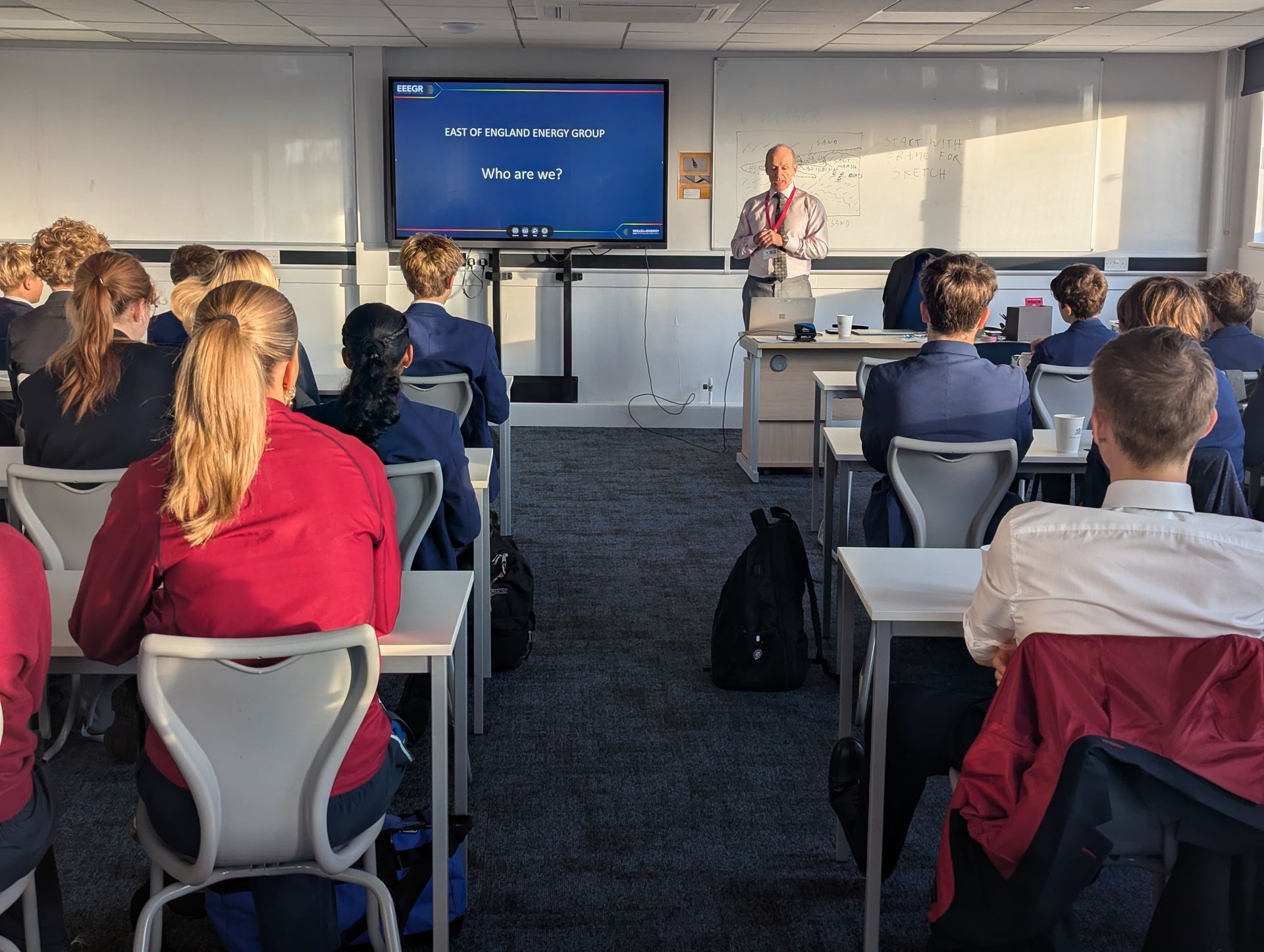
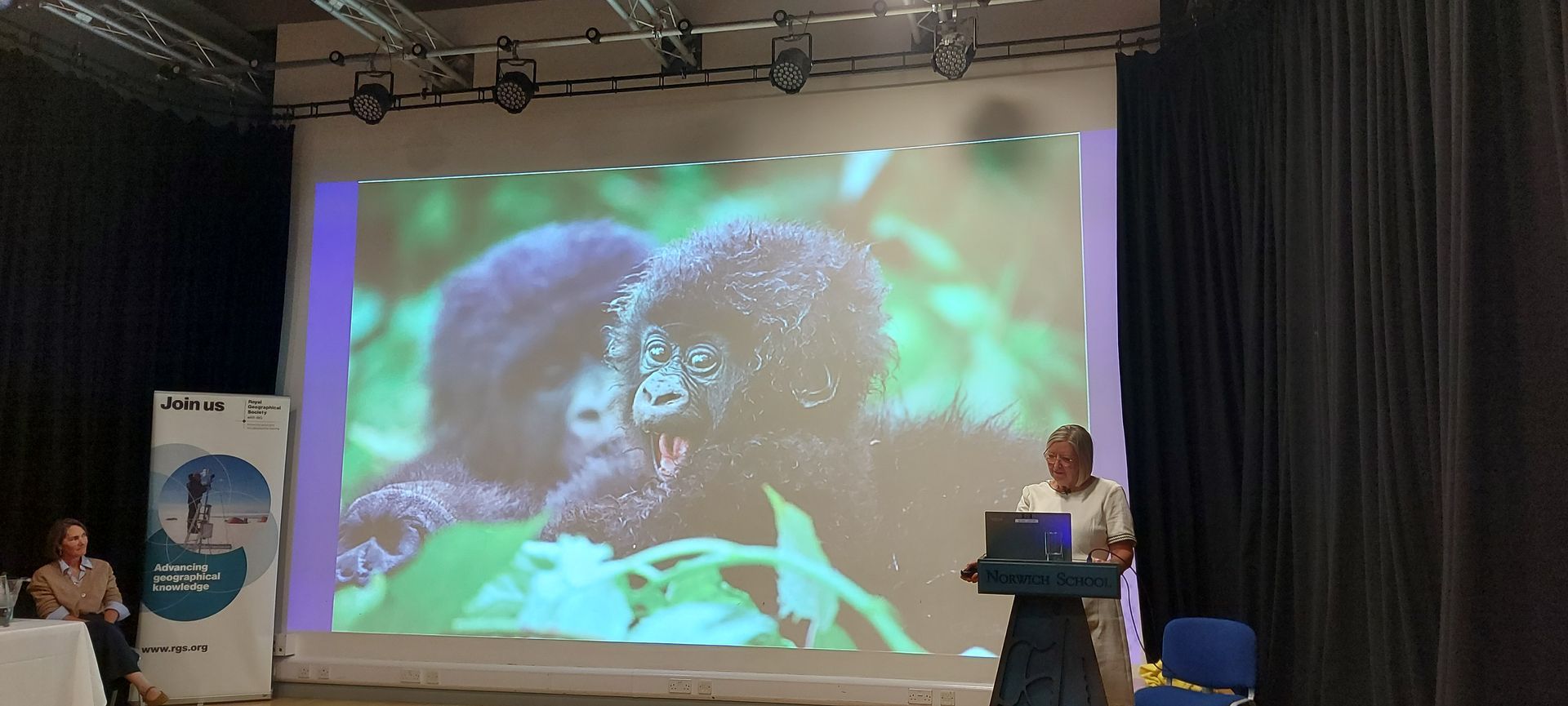
The long-term future of the sensitive and much-loved Norfolk Broads was the issue under discussion in the latest Blake Studio lecture at Norwich School on 15 January 2026. The school was hosting the illustrious Royal Geographical Society for a public talk entitled: Tides of Tomorrow: the future of the Norfolk and Suffolk Broads, confronting flood risk and climate change, given by Peter Doktor, from the Environment Agency. Peter is a Senior Project Manager overseeing the technical work of the Broadland Futures Initiative. He has been with the Environment Agency for 25 years and, before that, he with the Norfolk Wildlife Trust. His informative talk considered the worrisome potential for far-reaching impacts to the fragile Broads ecosystem induced by climate change. It also offered reflections on the policies and initiatives (both in place and under review) to manage it. A huge audience of RGS and Broads Society members, school staff, pupils, parents, and alumni, plus friends of the school, all enjoyed a lively Q&A after the talk, focusing on the urgency of the issues, the bewildering size of the challenge and the scale of the potential impacts. It is clear there are no easy solutions, but maintaining the status quo will simply not be enough to safeguard its precious ecology if climate change impacts continue to intensify. Our thanks go to the RGS for organising such a thought-provoking evening. We look forward to welcoming them back on site on Monday 16 March 2026 for a talk entitled: Rethinking the Future of our Seas given by Stephen Akester, Global Fisheries Specialist and Fisheries Adviser to the World Bank. Stephen will describe the state of the world’s fisheries, illustrating a highly varied picture, highlighting success stories and areas of most concern. Booking link: Rethinking the future of our seas and what you can do to help Finally, we have recently launched our full programme of exciting and cultural events organised by Norwich School taking place in and around Cathedral Close this term. There really is something for everyone to brighten up these dark winter months. Do have a flick through At Close Quarters Lent Term 2026 . Booking for many of the school events can be found on our homepage under “Upcoming Events”: www.norwich-school.org.uk
By Eleanor Lewis January 14, 2026
Lower 6 Art and Design pupils enjoyed a trip to London this week. We hear from Elise Foong, pupil and member of the Close Creatives Collective about the trip. "On Tuesday 13 January, a group of L6 2D students, and a few fine art pupils, including myself, went on a trip to London to visit some galleries. Our day consisted of spectacular gallery showings, many underground rides, bustling streets and unfortunately a continuous amount of rain. The first gallery we visited was the Design Museum, ‘Blitz: the club that shaped the 80s’, was one of the exhibitions we looked at, it was on how the Blitz nightclub completely transformed and reshaped many art and creative forms physically and socially, as well as also creating a post-war welfare state. Another exhibition, or I should say an archive, we saw at the Design Museum was ‘Wes Anderson: The Archives’, this was most definitely the highlight of my trip as I would consider myself quite the fan, it felt so surreal seeing all the real props, figures, and outfits from the films themselves! I found it quite awesome how, Wes Anderson having a highly distinctive and meticulously crafted cinematic style also shines through in how he began collecting and archiving props and costumes from all his films after Bottle Rocket 1996. After all the standing and walking we did, we took the underground to Borough Market and had lunch. There were many unique food stalls that sold many things like fresh produce, cheese, pastries including cannolis, international street foods like paella, curries and burgers. After lunch we then walked around and over the Millennium bridge, where I learnt of the hundreds of tiny and vibrant artworks on discarded chewing gum, and took the underground from St Paul’s to the Photographers’ Gallery where we saw Boris Mikhailov’s ‘Ukrainian Diary’. Which presented 50 years of his work that showed a unique visual history through experimentally and emotionally charged photography, the poignant, difficult images of Ukrainian life falls deeply relevant and powerful against the backdrop of the ongoing war which I found very raw and confrontational. After everyone had finally regrouped we headed to take the central line once again back to the train station to conclude our trip. Big thanks to Mr Passam, Mr Seaman, and Miss Goian who made this trip possible!" Photography - Elise Foong
By Eleanor Lewis January 13, 2026
Fourth Form pupils put their detective skills to the test in a library-based murder mystery event centred on the “murder” of Agatha Christie’s Murder on the Orient Express. Following a trail of clues left around the crime scene, pupils tracked down a series of witness books and questioned them carefully to build their case. Their investigation led them to six suspects, with cryptic titles including One of Us Is Lying, Death or Ice Cream, Murder on a School Night and Knife Edge. With plenty of debate and deduction, pupils worked together to eliminate suspects and uncover the truth. The final challenge was to discover the motive, which they successfully revealed by cracking a coded message using a cipher left by the murderer.  Hot chocolate and brownies helped to keep energy levels up, and there was a real buzz in the library as pupils discussed clues, books and theories. The event was thoroughly enjoyed by everyone who took part and sparked lots of conversation and storytelling. As our first event of 2026’s National Year of Reading, it was a great success and a fantastic way to celebrate books and reading in a creative and engaging way. No books were harmed, damaged or dog-eared during the investigation.
By Eleanor Lewis January 13, 2026
On Tuesday 13 January, Lower Three pupils visited Cambridge Mosque as part of their History topic on Islamic Civilisation. Pupils enjoyed a guided tour exploring the mosque’s eco-friendly architecture, learning about its sustainable design and the importance of symbolism. They examined artefacts, discussed the Five Pillars of Islam and their significance in daily life.
More Posts