Welcome to Norwich School Library

At Norwich School, we take great pride in offering an exceptional library experience across our three distinct library spaces, catering to the needs of our diverse pupil body.

Lower School Library

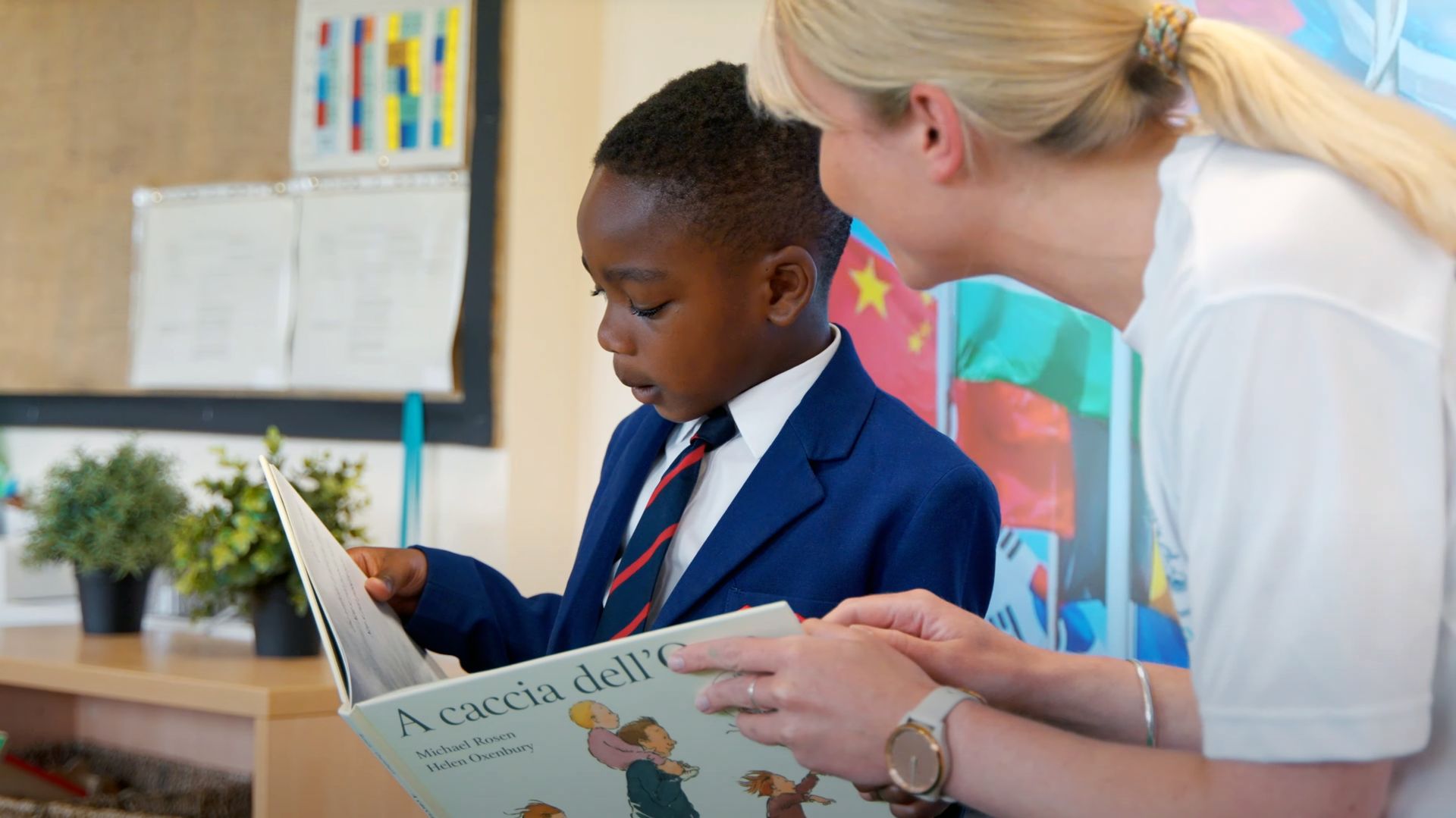
Our Lower School Library is a vibrant and inviting space designed for our youngest pupils. It encompasses cosy reading nooks, storytelling areas, and a large book collection, including picture books, fiction, and non-fiction, suitable for pupils aged 4-11. This library is a place where a love for reading is nurtured from the very start.


Senior School Libraries

In the Senior School, we have two libraries: The Undercroft and the Reynolds Library.


The Undercroft Library

The Undercroft is our dedicated fiction library, located in the atmospheric former cellar of the Bishop's Palace, dating back to the 11th century. This unique setting houses a comprehensive collection of fiction books, and incorporates graphic novels, manga, short story collections, and a range of biographies.


The Reynolds Library

The Reynolds Library, established in the 1660s and 1670s by Bishop Reynolds and used as the private chapel for the Bishops for 400 years, is our non-fiction powerhouse. Here, you’ll find an extensive range of non-fiction materials, organised using the Dewey Decimal Classification system. This library is perfect for research
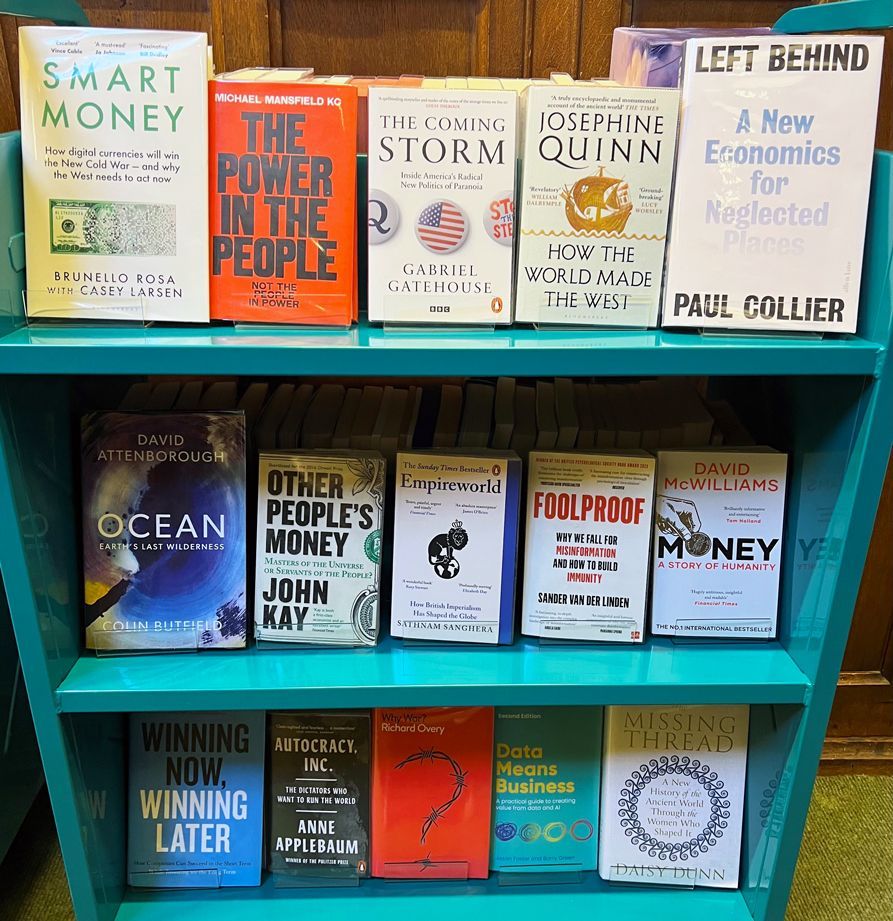
New in for 2025/26

Resources and Borrowing


Across all our libraries, pupils have access to over 20,000 books and a wealth of digital resources, including subscriptions to EBSCO and JSTOR databases, and the Very Short Introduction series.


All new pupils are automatically enrolled in the library and can borrow up to 3 books at a time for a three-week period. With over 2,000 active borrowers and more than 4,000 loans each academic year, our libraries are a bustling hub of learning and discovery.


Opening Hours


  • The Undercroft and Reynolds Libraries: Open from 8.00 am to 5.30 pm.
  • Lower School Library: Opening times to be confirmed.


Our libraries are more than just places to find books—they form an integral part of our school community where pupils can explore, learn, and grow.

Recommended Books from Norwich School Pupils:

  • Senior School

    Heartstopper by Alice Oseman

    Gone by Michael Grant

    Cream buns and Crime by Robin Stevens

    Not here to be liked by Michelle Quach

    Resist by Tom Palmer

    The fights that make us by Sarah Hagger-Holt

    I am Number Four by Pittacus Lore

    Pony by R J Palacio

    The Hobbit by J R R Tolkien

    Rollercoaster Boy by Lisa Williams

    The Body in the Blitz by Robin Stevens

    Happyhead by Josh Silver

    The Opal Deception by Eoin Colfer

    The Parent Agency by David Baddiel

    Flamingo Boy by Michael Morpurgo

    Toffee by Sarah Crossan

    The Maze Runner by James Dashner

    Rise of the School of Good and Evil by Soman Chainani

    The Last Nazi by Andrew Turpin

    Mutant Rising by Steve Feasey

  • Lower School

    Horrid Henry and Moody Margaret by Francesca Simon

    The Tiger Who Came to Tea by Judith Kerr

    The Owl who was Afraid of the Dark by Jill Tomlinson

    Don't be Horrid, Henry by Francesca Simon

    Puzzle for the Secret Seven by Enid Blyton

    Spy Dog: Rollercoaster by Andrew Cope

    Marcy and the Riddle of the Sphinx by Joe Todd Stanton

    Rosie the Perfect Pony by Pippa Funnell

    You can't make me go to Witch School by Em Lynas

    The Magician's Nephew by C S Lewis


Latest News
By Eleanor Lewis • October 14, 2026
2026 is National Year of Reading and we are going all in here at Norwich School! We know reading expands worlds, sharpens minds, and fuels creativity, so let's get inspired! Every month we are focusing on a different genre and hearing from a member of staff about what they like to read, why, when and where! For October, we are looking at Poetry. Let's find out more about why Mr Douglas-Field loves poetry... Tell us a little bit about the genre; what common themes or elements do you particularly enjoy? Being a reader of poetry doesn’t tie me to a theme or element, and I enjoy this variety. For example, over the summer I read Christopher Logue’s War Music, a retelling of Homer’s Iliad and Jean Sprackland’s Goyle, Chert and Mire – a vivid experience of nature and the countryside of Devon and Somerset. What was the book that introduced you to Poetry? Was there a particular book or author that made you fall in love with this genre? When I was a child, my great aunt bought me an anthology of poetry called I Like this Poem and I enjoyed reading many of these poems aloud, poems like Lewis Carroll’s ‘The Jabberwocky’ and ‘The Highwayman’ by Alfred Noyes. I read novels and non-fiction, but an interest in poetry lasted through my childhood and beyond. Has your taste in this genre changed over time? Yes! I love attending readings and open mic nights and listening to living poets performing their work. I also enjoy reading chapbooks and pamphlets published by tiny poetry presses. It’s fun to buy something handmade. Would you recommend this genre to someone who doesn’t usually read it? Why? The novel isn’t old. Robinson Crusoe is often considered to be the first major English novel – and it wasn’t published until 1719! People have been writing poetry for thousands of years. Why turn our backs on the bulk of humanity’s literary output? What do you enjoy most about reading, whether Poetry or anything else? I enjoy the possibilities promised by the next book I will read. I don’t know what it will be – or what I will be thinking and feeling about it. When and where is your favourite time and place to read?/ Do you have a favourite reading spot or routine for diving into books? I’m not precious about times and places. Which fictional character would you most like to have a cup of tea with? I don’t know what character I’d enjoy a cuppa with, but I wouldn’t mind spending the afternoon at Bread Source nattering with the poet John Donne. Do you tend to reread favourites from this genre or always look for something new? Both. I constantly revisit some poets, but I read new collections too. When was the last time a book from this genre really surprised you? Adventures in Form (2012) knocked my elbow off the table with its words sprayed on sheep to create random haik-ewes (get it?) Do you prefer classic or modern books within this genre, and why? Which is better? The foundations, or the roof? Knowing a few classics gives the reader some landmarks. With a few of these, the landscape makes sense. Has you taste in books changed over the years? I like to think I am more adventurous and open-minded now. Why do you think reading is important? Because it’s active. Reading a book is an invitation to think and to feel. Netflix and videogames are fun, but they hit different spots. Cambridge University’s Barbara Sahakian published a paper about the benefits of reading in 2023. She writes that ‘we found significant evidence that reading is linked to important developmental factors in children, improving their cognition, mental health, and brain structure, which are cornerstones for future learning and well-being.’ I find it odd when, towards the end of their GCSE courses, partisan non-readers ask how to get 8s and 9s. You need to lay your foundations early by reading regularly and broadly. Which book surprised you by how much you enjoyed it? A friend gifted me The Morville Hours (2008), Katherine Swift’s book about gardening. I resented the gift and started reading it only out of a sense of duty but, by the end of the first page, I knew that I was going to love it. It’s an exquisite reflection on the passing of time – and on death and renewal. Has a book ever changed the way you think about something? Most books do this to me. What role does reading play in your life right now? It’s a part of who I am. Click here for the reading list!
By Eleanor Lewis • October 7, 2026
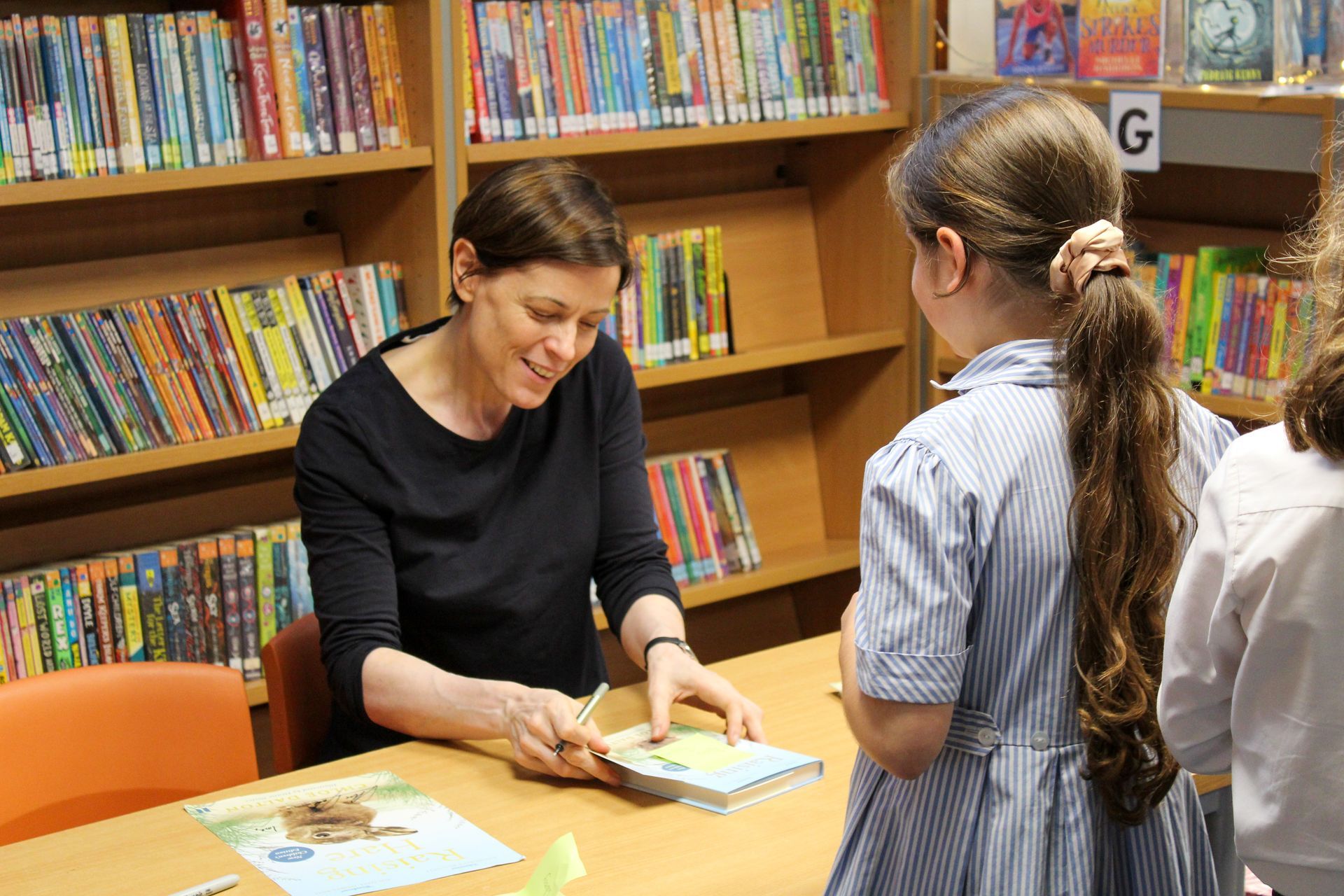
We were delighted to welcome Chloe Dalton to the Lower School for a truly inspiring author visit. Chloe spoke to pupils about her acclaimed memoir Raising Hare , the remarkable true story of an unexpected encounter with a young wild hare and the extraordinary bond that developed between human and nature. Throughout her fascinating presentation, Chloe shared how caring for a vulnerable leveret transformed her understanding of the natural world. Pupils were captivated by her stories and gained a unique insight into the patience, responsibility and empathy required to care for a wild animal. Chloe's passion for storytelling, wildlife and conservation shone through, inspiring children to ask thoughtful questions and sparking curiosity about the world around them.  Tamsin in Lower 3 said that she loved learning new facts about hares and Ezra loved the descriptions and illustrations in the book. Chloe’s memorable talk provided an enriching experience that will stay with pupils for a very long time.
By Eleanor Lewis • October 1, 2026
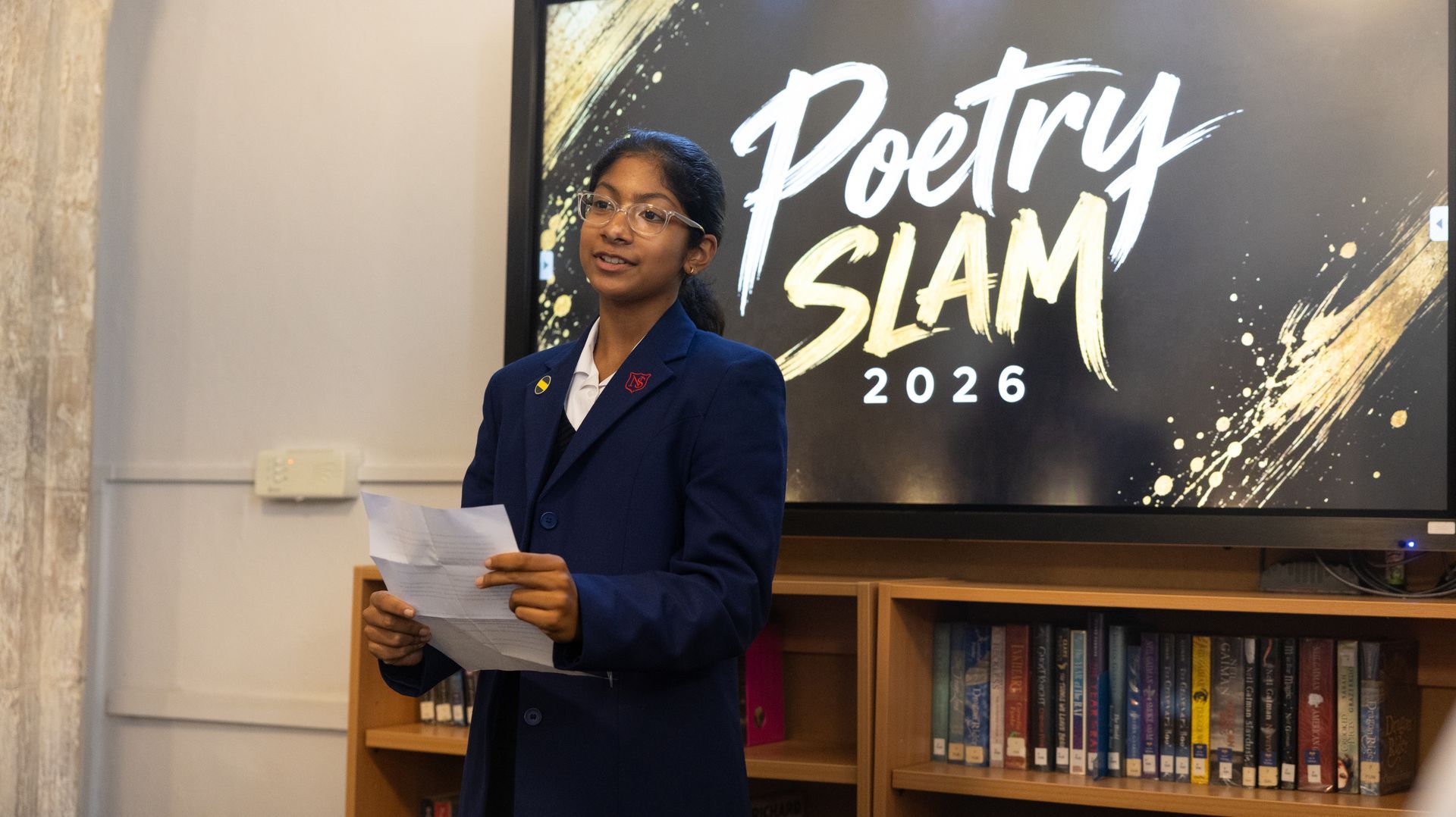
On Thursday 1 October, the Library Department celebrated National Poetry Day with its annual Poetry Slam. A number of pupils took to the stage to perform, sharing both original poems and works by established poets and writers. The event provided a platform for pupils to express themselves through the spoken word, with performances covering a wide range of themes and styles. Those in attendance were highly supportive, creating a warm and encouraging atmosphere throughout. It was a wonderful celebration of literature, creativity and pupil voice, and a fitting way to mark National Poetry Day.
By Eleanor Lewis • September 23, 2026
2026 is National Year of Reading and we are going all in here at Norwich School! We know reading expands worlds, sharpens minds, and fuels creativity, so let's get inspired! Every month we are focusing on a different genre and hearing from a member of staff about what they like to read, why, when and where! For the start of a new school year, we’re talking to Mrs Hewitt about her favourite genre. Let's find out more about why Mrs Hewitt loves the great American novel... . Tell us a little bit about the genre; what common themes or elements do you particularly enjoy? I’m not completely sure this is an accepted genre, but I have always been drawn to American novels from the 20th century. Characters in these novels live harder lives than me. Life is not generally kind to them and they are not always kind to others nor make the ‘right’ choices. You can explore human frailty and resilience in the face of poverty, social disapproval or upbringing without ever leaving your cosy armchair. What was the book that introduced you to American novels? Was there a particular book or author that made you fall in love with this genre? Children’s books were nowhere near as varied and diverse when I was young. I grew up reading Noel Streatfield, Enid Blyton and Louisa May Alcott and other books written when my grandparents were young and if they weren’t written ‘in the olden days’, they were set ‘in the olden days’. Studying A-level English, French and German literature meant that I had many weighty tomes to plough through in my late teens, so discovering The Outsiders by S.E. Hinton and The Catcher in the Rye by J.D. Salinger in the school library opened my eyes to the idea that a book’s hero could be my age with a teen’s outlook. They put me in the shoes of people who were far bolder, more unconventional and exciting than me. Has your taste in this genre changed over time? Yes. I am less inclined to accept misogyny in books now. You could argue that Charles Bukowski intentionally set out to make his nihilistic alter ego Henry Chinaski to be unpleasant and repellent, but if I were to reread, I would rather choose The Best of Everything by Rona Jaffe, which is a great insight into life for young women in the early 50s dealing with such attitudes. Would you recommend this genre to someone who doesn’t usually read it? Why? I’m happy to tell people about books I’ve enjoyed, but rarely recommend any, as enjoyment of a book is so personal. I’ve recommended some of these to my son, but he won’t be told and flat-out refusal is just annoying. So, all I can say is that millions of people have loved them, but you may not. What do you enjoy most about reading, whether an American novel or anything else? I read to experience lives I will never live and to get to know people I will never meet. When and where is your favourite time and place to read? On public transport, as there are no other tasks or distractions to take me away from my book. I can fully disconnect from what is around me. A three-hour train journey? Divine. Yes please. Tell us a little bit about the genre; what common themes or elements do you particularly enjoy? I like the fact that I never know if the ending will be happy. The genre is typically described as ‘gritty’. These books focus on people who are on the edges of society, whether by choice or by circumstance, in a time of powerful, narrow-minded social judgement. I saw New York through the eyes of James Baldwin’s gay, black jazz musician Rufus in Another Country ; I enjoyed pool-hall hustles in Hard Rain Falling by Don Carpenter, a 24-hour dance competition in They Shoot Horse Don’t They? (Horace McCoy) and came face-to-face with the grim reality of war for young soldiers in Norman Mailer’s debut novel The Naked and the Dead. If you could step into the world of any book, which would it be and why? Well, I certainly wouldn’t step into In Cold Blood by Truman Capote and I’m not sure if I would survive On The Road in the way that Kerouac did, although I’d certainly enjoy travelling across America. Perhaps I would do this with Joan Didion instead in The White Album , or with John Steinbeck and his dog in his caravan while he wrote Travels with Charley and I could tell him how much I love East of Eden . Click here to see the monthly reading list!
By Eleanor Lewis • July 2, 2026
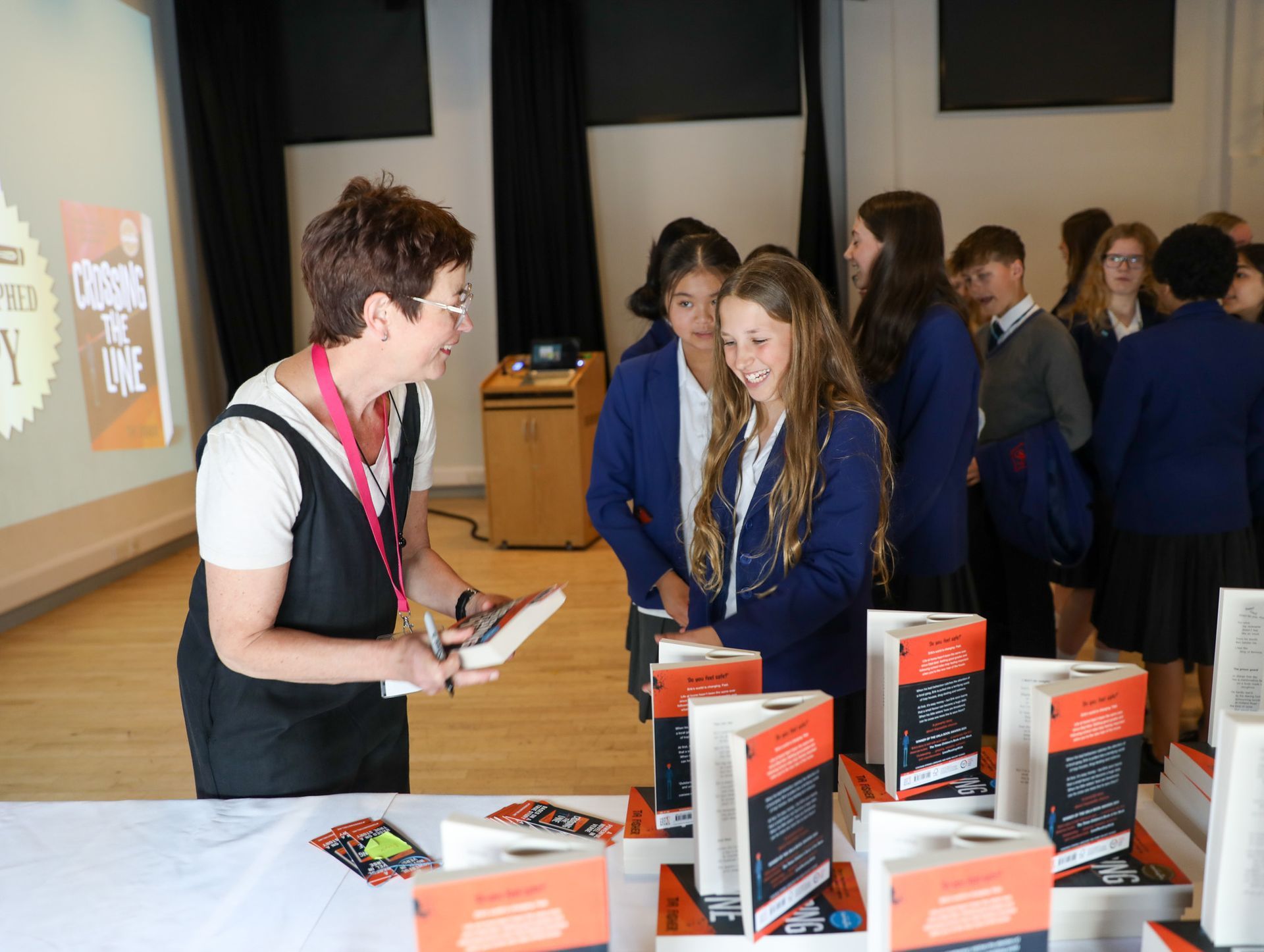
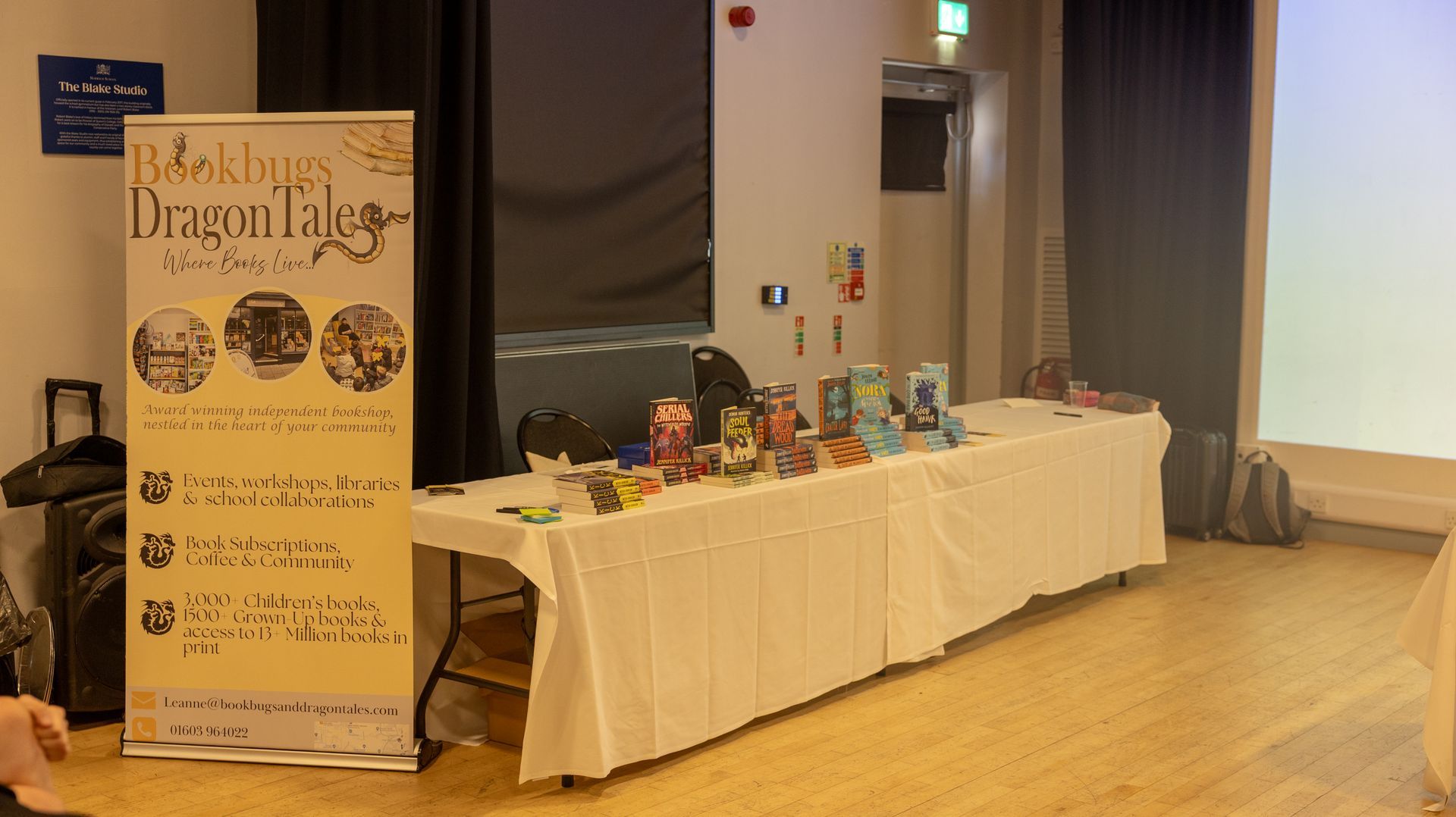
All of Lower Four, joined by visiting pupils from four local schools, enjoyed an inspiring day of storytelling as three award-winning authors visited to talk about their books, their journeys into writing, and the process of bringing a story to the page. Mitch Johnson kicked things off with a look at his novels Strike and Kick; two books that look like they're simply about football, but that actually dig much deeper, exploring the origins of the clothes we wear and shining a light on exploitative working conditions around the world. Pupils threw themselves into a lively challenge, racing to assemble a pair of football boots (studs and laces included), before learning about the realities faced by workers in sweatshops. It was a thought-provoking way to bring the book's themes to life. Next, Joseph Elliott talked about his career as a television actor and how he became a writer. He shared insights into the writing process, from the multiple redrafts and edits through to the all-important decision of choosing a book cover. He read an exciting extract from The Good Hawk, the first book in his Shadow Skye trilogy, and ran an interactive session that had pupils fully engaged throughout. Rounding off the day, Jennifer Killick spoke about her love of scary stories and how she found her niche blending horror with comedy. Pupils tested their instincts in a game guessing which unusual animal facts were real and which she'd invented, and again there were lots of interactive aspects to her talk, including a home-made life-size giant tapeworm soft toy and a horror-themed twist on rock/paper/scissors. There was a real buzz about books all day, with independent bookseller BookBugs and Dragon Tales on hand so pupils could buy copies and get them signed by the authors. It was a busy, fun and inspiring day for all who took part! 
By Eleanor Lewis • June 26, 2026
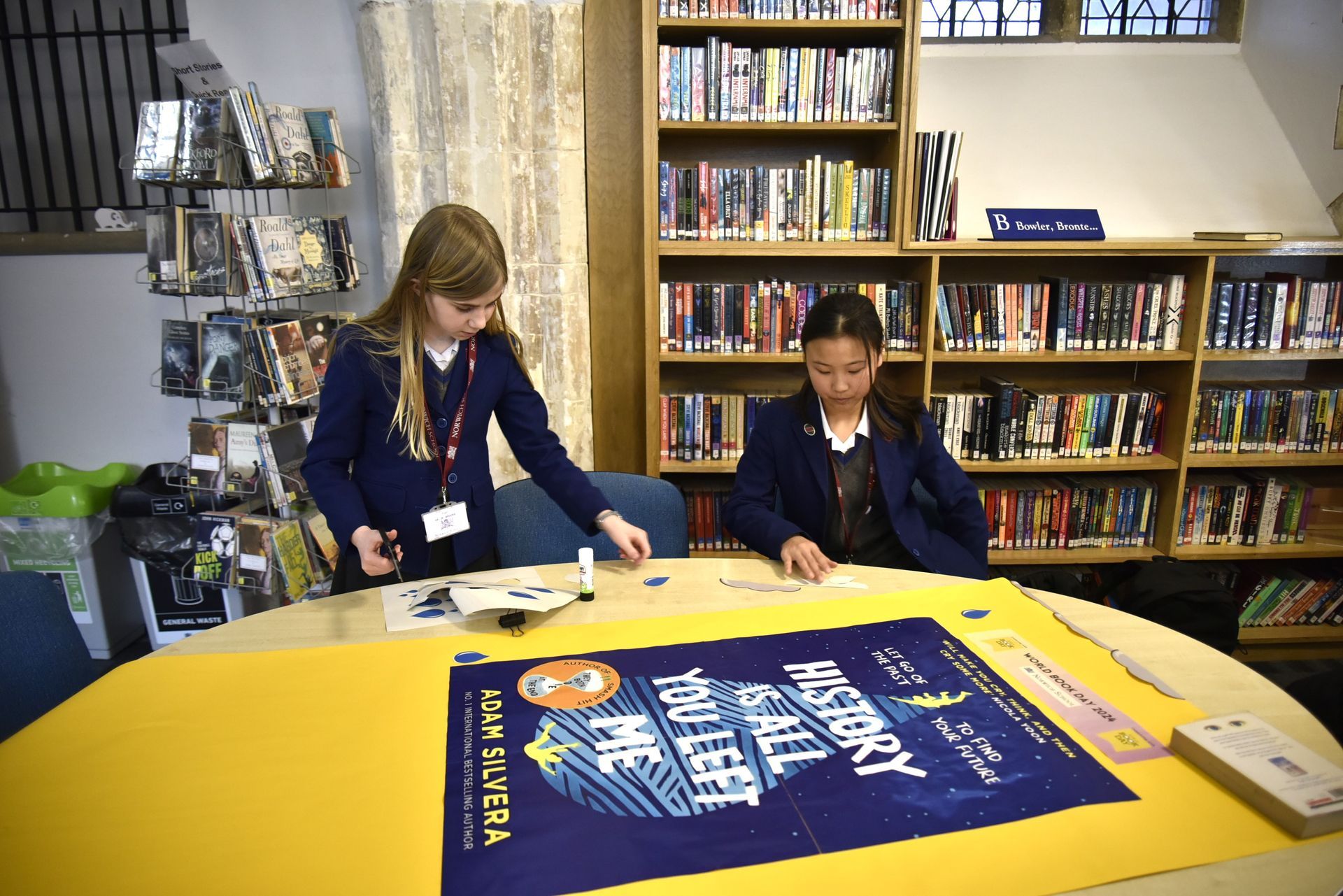
2026 is National Year of Reading and we are going all in here at Norwich School! We know reading expands worlds, sharpens minds, and fuels creativity, so let's get inspired! Every month we are focusing on a different genre and hearing from a member of staff about what they like to read, why, when and where! Next up, as it is pride month we have LGBTQ+ Fiction for June and a big reader of this genre, Eleanor Lewis, Multimedia Marketing Officer, is going to tell us a bit about why she loves this genre. Tell us a little bit about the genre; what common themes or elements do you particularly enjoy? With LGBTQ+ Fiction it is quite challenging to define it as a genre as it can span a wide-range of genres such as science fiction, historical fiction, fantasy and more. I particularly enjoy when LGBTQ+ Fiction isn't only centred around LGBTQ+ issues and themes, Madeline Miller's The Song of Achilles was a perfect example of this for me, as it combines LGBTQ+ characters in mythological tales where the character's identity is important to the story, but not the only driving force. What was the book that introduced you to LGBTQ+ Fiction? Was there a particular book or author that made you fall in love with this genre? Reading books with LGBTQ+ characters in my teen years definitely encouraged my love of reading especially Adam Silver's books History is All You Left Me and They Both Die at the End. Reading characters that I could relate to definitely made reading a lot more enjoyable for me. I would say that the book that brought me back into reading more LGBTQ+ Fiction as an adult would be Taylor Jenkins Reid's The Seven Husbands of Evelyn Hugo . It is a very popular book and for good reason, the historical drama set in the Golden Age of Hollywood with an LGBTQ+ character at the centre. I think that this was one of the first times I encountered an openly LGBTQ+ woman in fiction and I found the love story to be so beautifully written and compelling. Has your taste in this genre changed over time? Definitely! As I grew up my taste naturally changed and especially during my time at University. On my course I encountered a variety of work including the less contemporary pieces such as The Well of Loneliness by Radclyffe Hall and Trumpet by Jackie Kay, both of which explored gender identity, particularly in times where it was even more challenging to be a transgender or gender non-conforming individual. I think that my favourite book now is definitely Hot Milk by Deborah Levy, it is a contemporary novel mostly surrounding a complicated mother/daughter relationship but also an LGBTQ+ awakening for the daughter, although the novel doesn't centre on this I think it is a brilliant example of LGBTQ+ Fiction that centralises LGBTQ+ characters but isn't only about LGBTQ+ issues. Would you recommend this genre to someone who doesn’t usually read it? Why? Absolutely and you probably have read it without intending to. A lot of books now, a lot more than when I was younger, feature LGBTQ+ characters. It used to be quite a challenge to find books that don't only have the 'token' LGBTQ+ characters but now there are plenty more options. What do you enjoy most about reading, whether LGBTQ+ Fiction or anything else? I love getting lost in a book and losing track of the time, it's very special to find a book that does that. I also really enjoy it when a book makes me think critically, I can end up getting a bit lost in research and analysis, probably because of my English undergrad days! When and where is your favourite time and place to read? / Do you have a favourite reading spot or routine for diving into books? I don't read half as much as I would like to, especially this time of year! I would say I really enjoy reading in bed but another great reading spot is in my conservatory with an iced coffee! The best time to read is definitely on holiday - especially when it is sunny! Which fictional character would you most like to have a cup of tea with? This is a tricky one but from this genre I would say Evelyn Hugo. Click here for the monthly Reading List!
By Eleanor Lewis • June 19, 2026
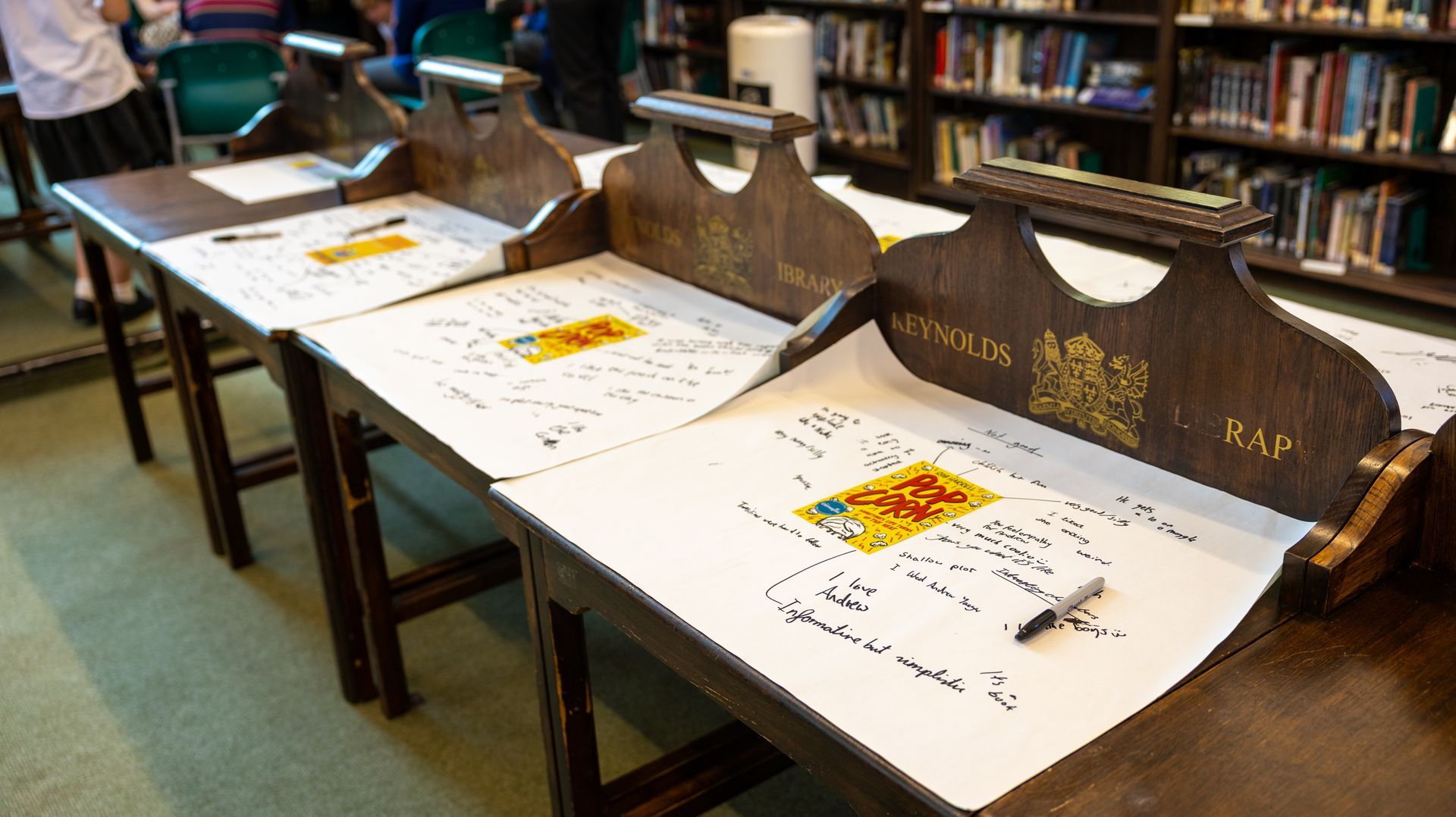
After shadowing the Carnegie Medal for Writing judging process since Easter as part of their Wollow lessons, the entire Upper Four cohort came together for a morning of discussion and debate about this year's shortlisted titles. There was a real buzz about reading as pupils shared their opinions in small groups, comparing favourite characters, discussing themes and debating which books they felt deserved to win. The conversations reflected a wide range of views, with pupils offering thoughtful perspectives on the quality of the shortlisted books. It was encouraging to see them engaging confidently and supporting their opinions with evidence from their reading. Staff from across the school also joined the discussions, including colleagues from History, Music, Art and Learning Support. Their involvement helped to model reading for pleasure and demonstrated that books can be a shared interest across the whole school community. Following the discussions, pupils cast their votes for their favourite title. Upper Four selected Chronicles of a Lizard Nobody by Patrick Ness as their overall winner. A few days later, the official Carnegie Medal results were announced, with both the judges' winner and the Shadowers' Choice Award going to Wolf Siren by Beth O'Brien. The event provided a valuable opportunity for the whole year group to come together to celebrate reading, exchange ideas and reflect on a shared reading experience.
By Eleanor Lewis • June 1, 2026
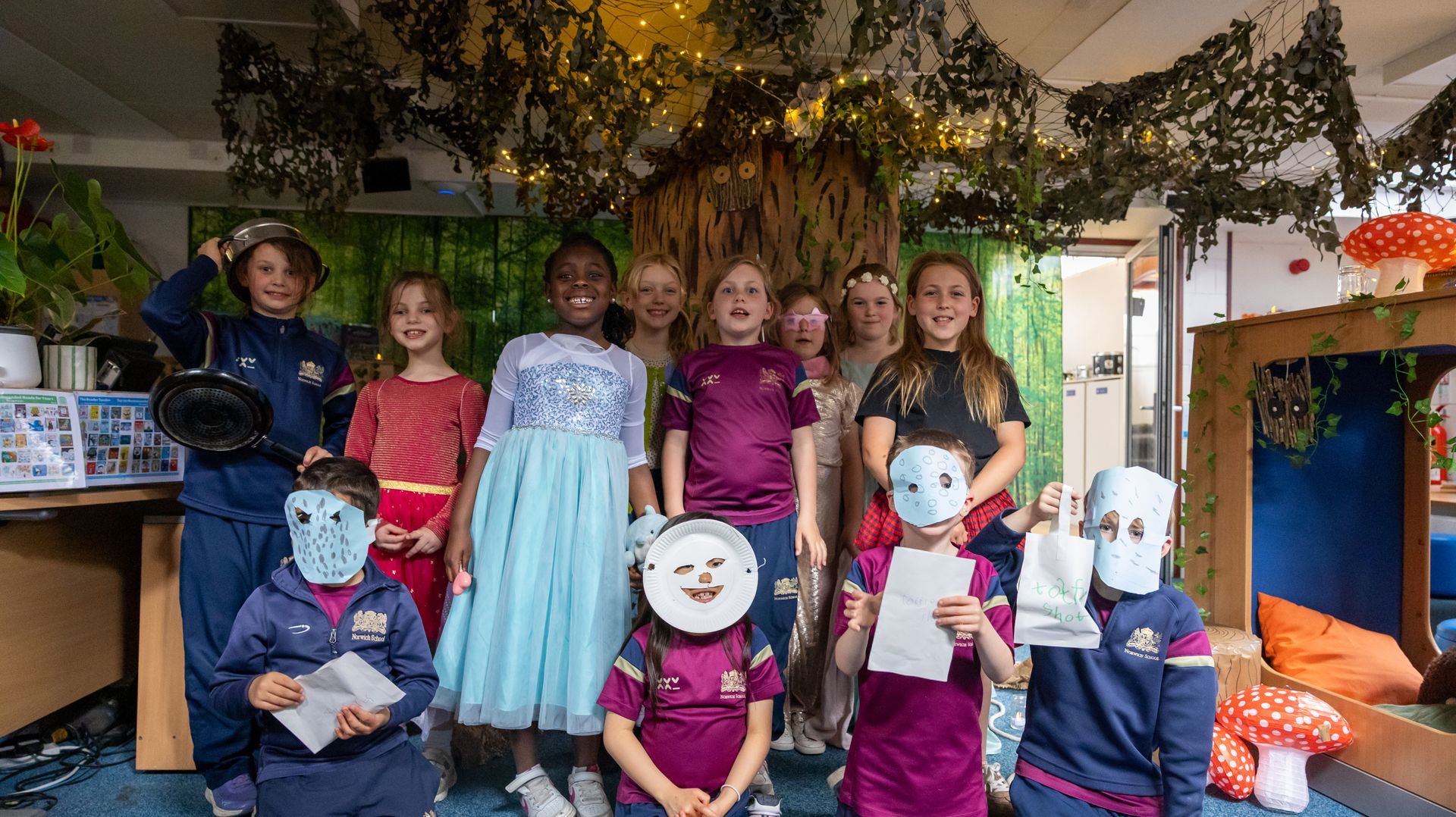
The Lower School library was transformed last week into an enchanted wood as Upper 1- Upper 2 pupils stepped into the pages of The Faraway Tree and enjoyed a magical after‑school adventure. Children arrived dressed as their favourite characters — from Moon‑Face to Silky the Fairy — ready to climb into a world of imagination and wonder. The journey began at the foot of the Faraway Tree, where pupils tip‑toed past the Angry Pixie, and were careful not to get splashed by Dame Washalot’s famously dirty water. From there, they travelled through a series of whimsical lands at the top of the tree, each offering a hands‑on activity inspired by Enid Blyton’s beloved stories. In the Land of Goodies, pupils decorated tree shaped biscuits with icing and sprinkles. The Land of Birthdays invited everyone to make a special wish and create their own crown, and finally, children designed their own fairy doors for the magical creatures they imagined living inside the Faraway Tree.  The event ended in the Land of Goodies with pupils eating their biscuits and having a drink of fruit punch. It was a joyful celebration of creativity, reading and childhood imagination and this adventure will hopefully inspire many more children to read these wonderful books.
By Eleanor Lewis • May 29, 2026
2026 is National Year of Reading and we are going all in here at Norwich School! We know reading expands worlds, sharpens minds, and fuels creativity, so let's get inspired! Every month we are focusing on a different genre and hearing from a member of staff about what they like to read, why, when and where! May is Sci-Fi month and we’ve turned to Joel Newman, who’s a big Sci-Fi fan. Let's find out more about why Mr Newman loves the fantasy genre... Tell us a little bit about the genre; what common themes or elements do you particularly enjoy? I love Sci-Fi stories with a focus on worldbuilding and setting – science fiction allows authors to be so creative with things we often take for granted in real life. If a story features aliens or space, I will always judge it based on how interesting or complex the author makes things like the alien’s language and biology – the weirder the better – or how beautiful a picture of space they can paint with just words. What was the book that introduced you to Sci-Fi? Was there a particular book or author that made you fall in love with this genre? I love The Hitchhikers Guide To The Galaxy series by Douglas Adams, it has the perfect blend of absurd funny moments and interesting concepts that really fed my imagination as a child. Some of my absolute favourites are Andy Weir’s Project Hail Mary and The Martian: Weir’s enthusiasm for physics and real-life science makes his fiction very immersive. Has your taste in this genre changed over time? My taste in Sci-Fi has changed as I’ve studied science more and more – I won’t settle for a poorly explained spaceship anymore – but I still love the same weirdness that first made the genre so appealing to me. Would you recommend this genre to someone who doesn’t usually read it? Why? Absolutely. Reading Sci-Fi makes you more curious about the world around you, and curious is one of the best things to be. If you’ve never read sci-fi but you like reading, I think it’s the perfect genre to get those creative juices flowing because it gives the idea that anything is possible! What do you enjoy most about reading, whether Sci-Fi or anything else? Reading is the best way to relax. If there’s ever anything worrying me or stressing me out, getting lost in a book for half an hour is always enough to put me in the right headspace to take on the day. When and where is your favourite time and place to read?/ Do you have a favourite reading spot or routine for diving into books? I like to read in bed: it’s warm, comfortable, and no one’s going to interrupt me. I can’t think of a more perfect time to read than before you sleep. Click here for the monthly Reading List!
By Eleanor Lewis • April 30, 2026
2026 is National Year of Reading and we are going all in here at Norwich School! We know reading expands worlds, sharpens minds, and fuels creativity, so let's get inspired! Every month we are focusing on a different genre and hearing from a member of staff about what they like to read, why, when and where! Next up we have Crime Fiction for April and a huge fan of this genre, Gillian Wright, Lower School Teacher, is going to tell us a bit about why she loves Crime Fiction so much! Tell us a little bit about the genre; what common themes or elements do you particularly enjoy? I enjoy delving into stories that revolve around secret missions, missing persons, or even a mysterious killer. The suspense, unexpected twists, and deductive reasoning keep me eagerly turning pages until the inevitable surprise ending. These books are often packed with action and clever plotlines that keep readers guessing right up to the final chapter. The most thought-provoking stories are those rooted in real-life situations that readers can relate to, such as The London Eye Mystery by Siobhan Dowd. I also enjoy books that take me out of my comfort zone and offer different perspectives on the world, for example T he Hunger Games by Suzanne Collins. What was the book that introduced you to crime fiction? Was there a particular book or author that made you fall in love with this genre? The book that first sparked my interest in reading was James and the Giant Peach by Roald Dahl. Although it is not a classic crime novel, it is certainly an exciting and mysterious adventure. Aunt Sponge and Aunt Spiker clearly display some questionable—if not criminal—behaviour. I suppose my first real exposure to crime fiction came through The Famous Five adventures by Enid Blyton. I loved seeing how a group of children worked together to solve mysteries without any adult help. From that point on, I have always been drawn to stories filled with adventure, mystery, and unexpected twists. I also enjoy a touch of dark humour, which is why I thoroughly enjoyed A Series of Unfortunate Events by Lemony Snicket. The books are grim, funny, and strangely addictive. Has your taste in this genre changed over time? No, my taste for crime novels has not changed. Although I do enjoy a good historical novel, I will always return to mysteries and crime as they provide intrigue, twists and those quiet ‘aha’ moments. Most recently, I have enjoyed The Thursday Murder Club mysteries by Richard Osman. Would you recommend this genre to someone who doesn’t usually read it? Why? There is something timeless about a good mystery. It isn’t just about solving crimes or catching the villain; it’s about asking questions, noticing subtle details, and thinking more deeply. In a world dominated by quick scrolling and short attention spans, mystery novels remind us that it’s okay to slow down, immerse ourselves in a story, and truly pay attention. What do you enjoy most about reading, whether crime fiction or anything else? Reading is essential to me; it allows me to step away from the busyness of everyday life and escape into magical and mysterious worlds, while also enabling me to explore new perspectives. Books have the power to evoke a wide range of emotions, from joy and excitement to sadness and tension. I love immersing myself in a new story—being drawn along with the characters, seeing the world through their eyes, and allowing the words to take me on a journey. When and where is your favourite time and place to read?/ Do you have a favourite reading spot or routine for diving into books? I read every night before I go to sleep, as it helps me wind down after a busy day and fully relax. On sunny days, I especially enjoy reading outdoors, whether that’s in the garden or by the pool while on holiday. Which fictional character would you most like to have a cup of tea with? I would love to share a cup of tea with Willy Wonka, as he would likely provide an unusual combination of flavours—perhaps even with a side order of chocolate. Do you tend to reread favourites from this genre or always look for something new? I don’t usually re-read books, although I have returned to Roald Dahl’s stories time and again—mainly to allow my children to experience the joy of his imaginative and magical tales. When was the last time a book from this genre really surprised you? The essence of a good crime or mystery novel is its ability to surprise the reader, and they never fail to leave me guessing. I have never yet managed to work out the final twist of a truly good crime novel. Do you prefer classic or modern books within this genre, and why? I enjoy both. A classic tale by Agatha Christie or a mystery involving Sherlock Holmes is always enjoyable. However, more recent authors, particularly for children, have created some new classics, such as the Alex Rider series by Anthony Horowitz or Murder Most Unladylike by Robin Stevens. Has your taste in books changed over the years? I used to enjoy reading the classics including books by Thomas Hardy and EM Forster. Nowadays, I prefer a lighter read intermingled with more challenging stories. I am always up for a good book recommendation. Why do you think reading is important? Reading for enjoyment can spark the imagination, provide an escape, and inspire creativity. It offers a way to discover new worlds, meet new characters, and learn about the past. Above all, it is an easy, enjoyable, and relaxing way to spend time. If you could step into the world of any book, which would it be and why? If I could step into the world of any book, it would probably be Harry Potter . The incredible creatures, magical adventures, friendships and rivalries, along with the mysteries waiting to be solved, all combine to make these stories so captivating. I would love to try my hand at a few magic spells myself. Having visited the Warner Bros. Studio where Harry Potter was filmed, it was amazing to see the sets and costumes used by the characters. It truly brought the stories to life and felt like a real privilege Click here to see the monthly Reading List!
Show More